By Scott Kramer, Contributing Equipment Editor
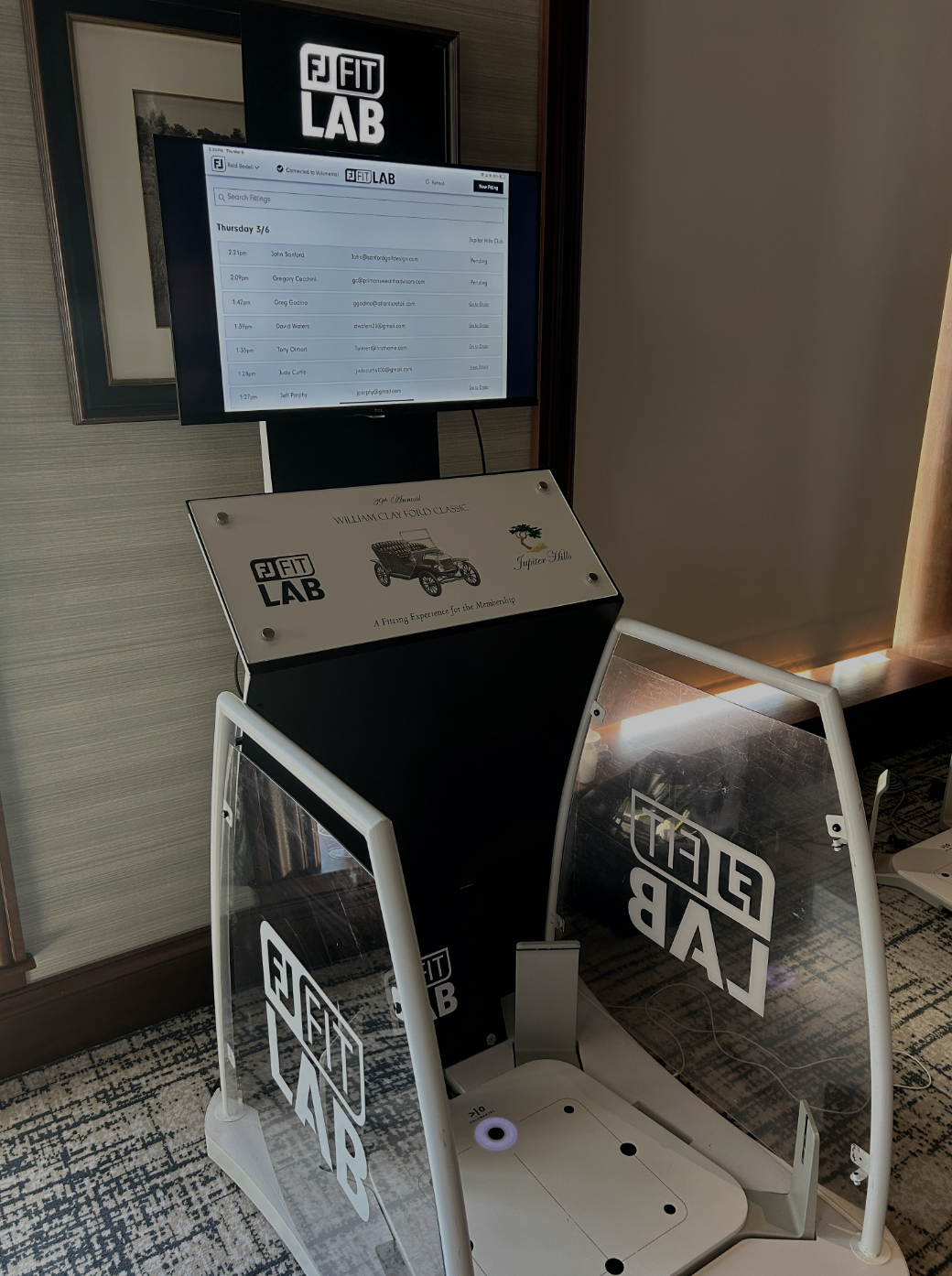
Maybe you were one of the lucky 2025 PGA Show attendees to see an early version of FootJoy’s new FitLab foot scanner back in January. Now the system – which takes a 3D scan of a golfer’s feet to accurately measure length, width, arch height, instep height and heel width – is rolling across the country, albeit on a limited basis thus far.
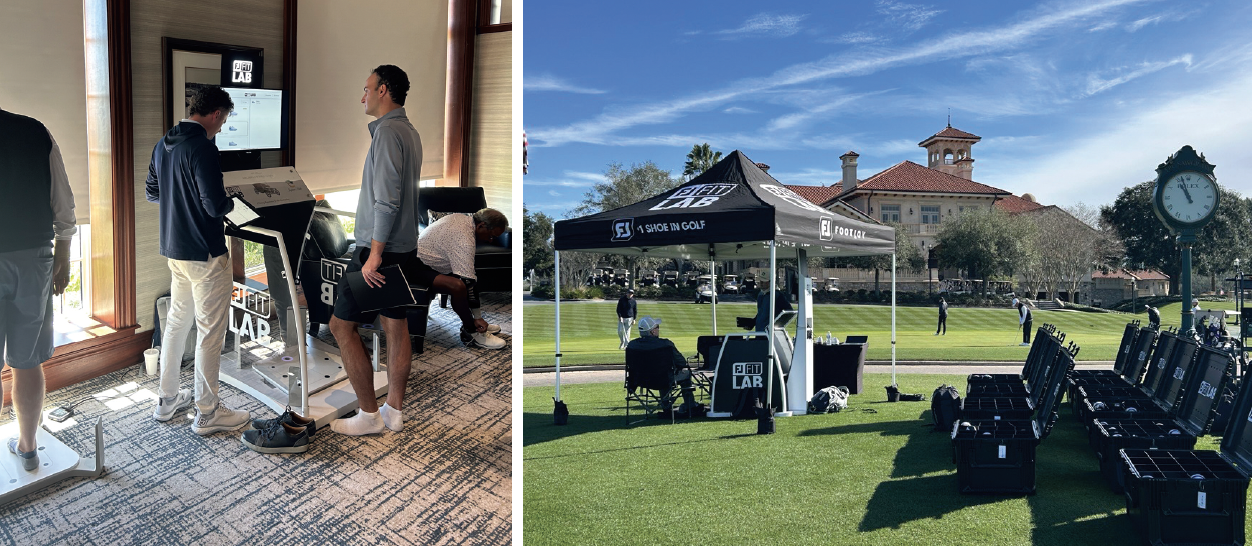
For 2025 at least, it’s visiting various private clubs for special demo-style shoe- fitting days. And the results are nothing short of promising when it comes to how this can boost shoe sales at a golf facility – and possibly a golfer’s performance on the course.
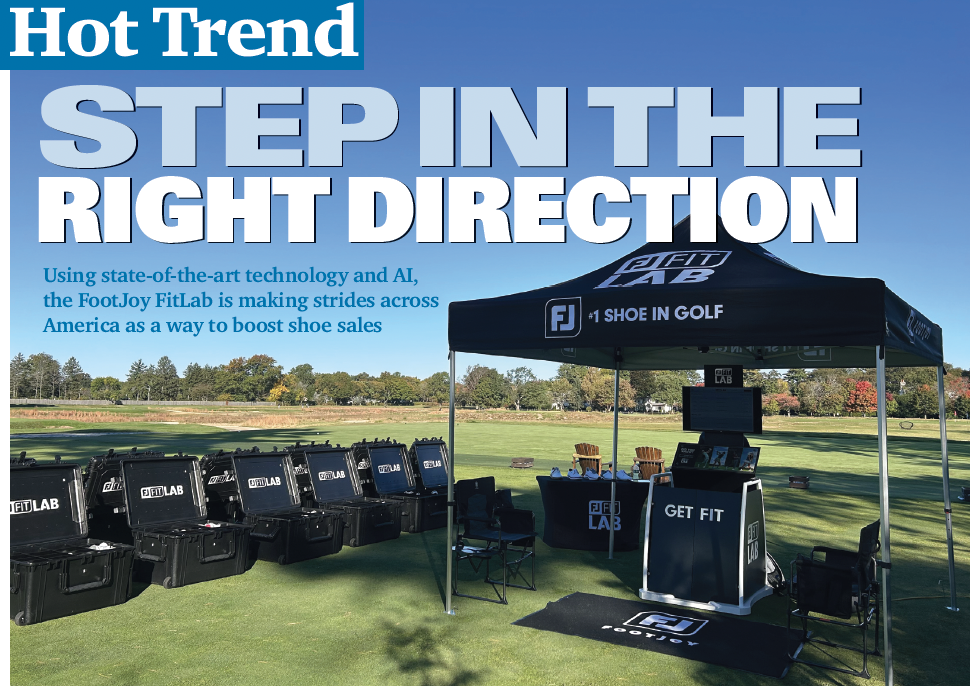
Using state-of-the-art technology and AI, it helps golfers find the exact shoe size and model best suited to their game and feet – all in a matter of just a few minutes. Think of it as a launch monitor for footwear fitting.
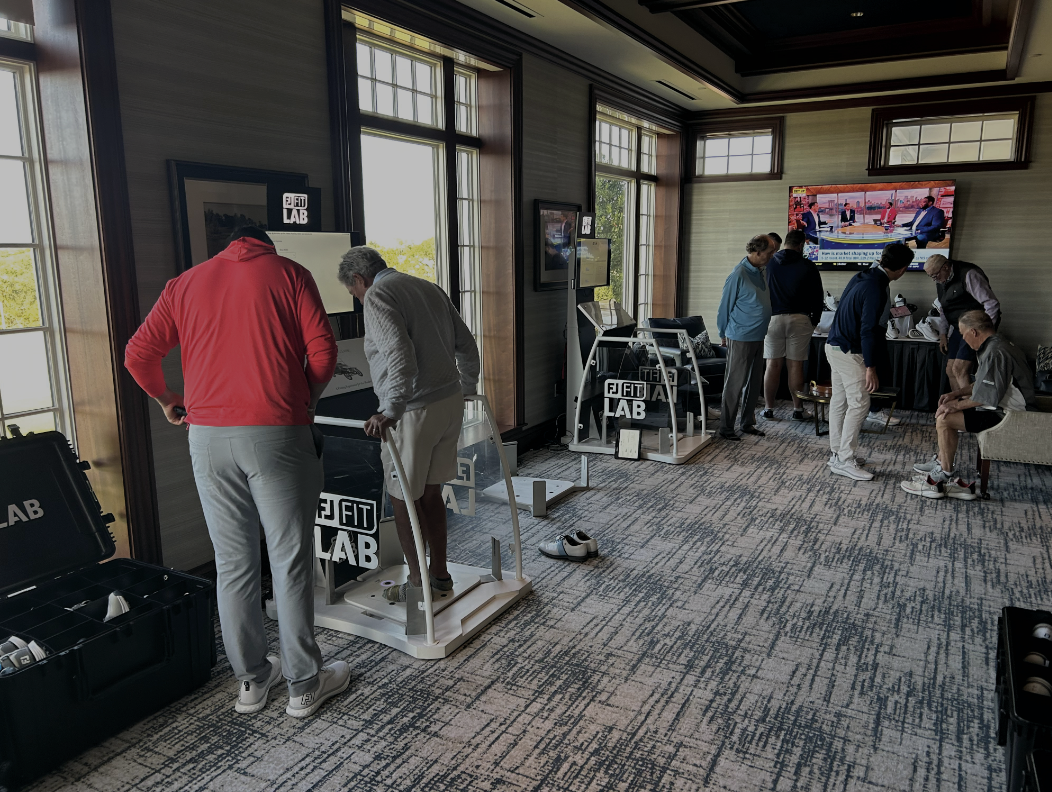
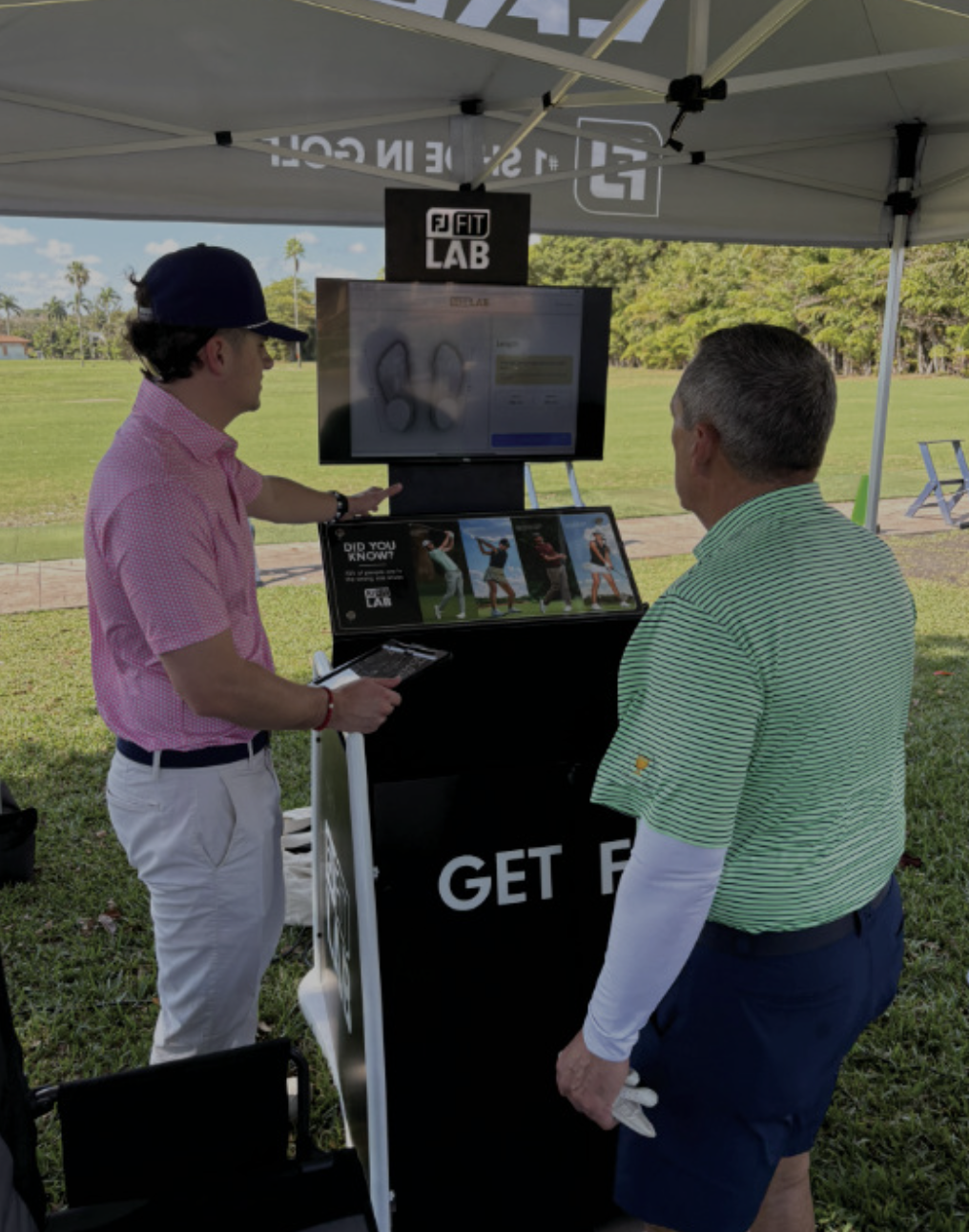
“We call it a tour-level fitting experience, meaning we’re spending time with players and discussing critical elements of which shoe fits best for them,” says Jason Sigler, who manages the FootJoy FitLab program. “A key part is we go to the golf course with a volumental scanner that gives 3D analysis of a golfer’s foot. Its measurements then correspond with the best FootJoy style and size.”
An expert fitter then takes that recommendation and helps your members or customers try on shoes right there on-site.
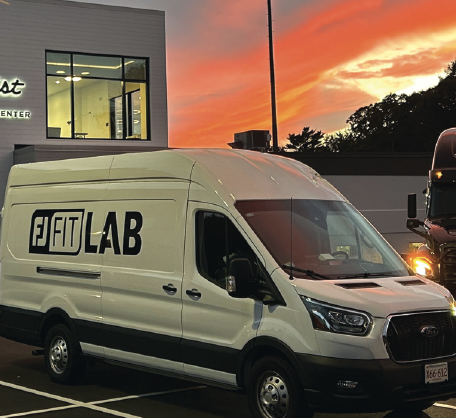
“Our mobile fit van at the course has the scanner and approximately 240 pairs of shoes that you can try on in a wide range of sizes,” adds Sigler. “We try to make sure that when someone gets fitted into a recommended style and size, we have that shoe for them to try on during the day. They can take a few steps in them and walk around. And if we’re close to the range, they can take some swings and hit balls in them.
“Golfers need to feel comfortable walking throughout a round. But also, how does it feel swinging? We’re seeing more emphasis, energy and thought put behind how footwork can affect somebody’s swing and improve it.”
Scans take 30 seconds before trying out the shoes. Many men and women arrive with an idea of what they want to wear, but after trying on various styles, they are sometimes amazed by what they thought might be the best fit and what actually fits best, according to Sigler.
FootJoy’s FitLab program began in the fall of 2024 at select green-grass accounts in the Northeast and Southeast. Now there are five fitters covering America – three in the Northeast, one in Illinois and one in California for the remainder of 2025.
“Footwear is a performance product,” says Sigler. “It’s critical to golfers playing and feeling their best, and having custom fitting opportunities with footwear is similar to what we do on the Titleist side with custom golf balls and golf clubs.”
Mind you, it’s not a true exact custom fitting as with clubs, but as close as the brand can get to a proper fit without using a custom-fit insole.
Inevitably, this program can help golf shops minimize their shoe inventory, as it’s tough to always carry the inventory your members need in their correct sizes. But if one day in the near future you have a scanner in your shop and can quickly scan a golfer’s foot for the best fit, it will make both you and the golfer happy when the recommended pair fits and performs properly right from the start.
“We educate the staff on what fitting practices we're using, and having all the sizes and styles is what makes it a custom fitting operation,” says Sigler. “We ship directly back to the course or consumer. And we can credit the golf shop account. The program provides an experience for participating PGA Professionals and members that’s been really well received so far.”
For the golfer, it’s a winning proposition. A proper-fitting shoe will be comfortable, help alleviate any foot pain, and may help the golfer score better and/or hit the ball more cleanly. And, thus, golfers feel better about their purchase.
FootJoy reports that between 50 and 70 percent of golfers do not actually wear the correct golf shoe for their feet. And manufacturer sizes do differ – one brand’s size 10 may not be another’s. Plus, golfers often mistakenly base their golf shoe size on their street shoe or tennis shoe size. The break or flex point of the sole may differ, which can cause foot pain or fatigue while walking. A proper size and style will eliminate blisters, as well.
“The right cushioning can also help with ground energy,” says Sigler. “From what we've seen on tour, the right footwear can help you feel better, get through your round walking without having any discomfort or pain and also help you swing more efficiently.
“And that leads into some exciting things that we can do in the future, testing different firmnesses and cushion levels in a shoe, and different styles that can add benefit.”
Despite some online independent reviews of the FitLab claims, FootJoy will not promise that a player can increase clubhead speed with a proper fitting shoe. But data does lean that way. And that seems like a major step in the right direction.