Inspiring and Connecting Young Minds
The IES Young Professionals Scholarship Fund sponsored the attendance of five lighting design students to IES25: The Lighting Conference in Anaheim, CA, in August. The students—either in their junior or senior year of undergraduate school or enrolled in a graduate program—were encouraged to share their conference experiences, which are included below.
Jenna Bryant
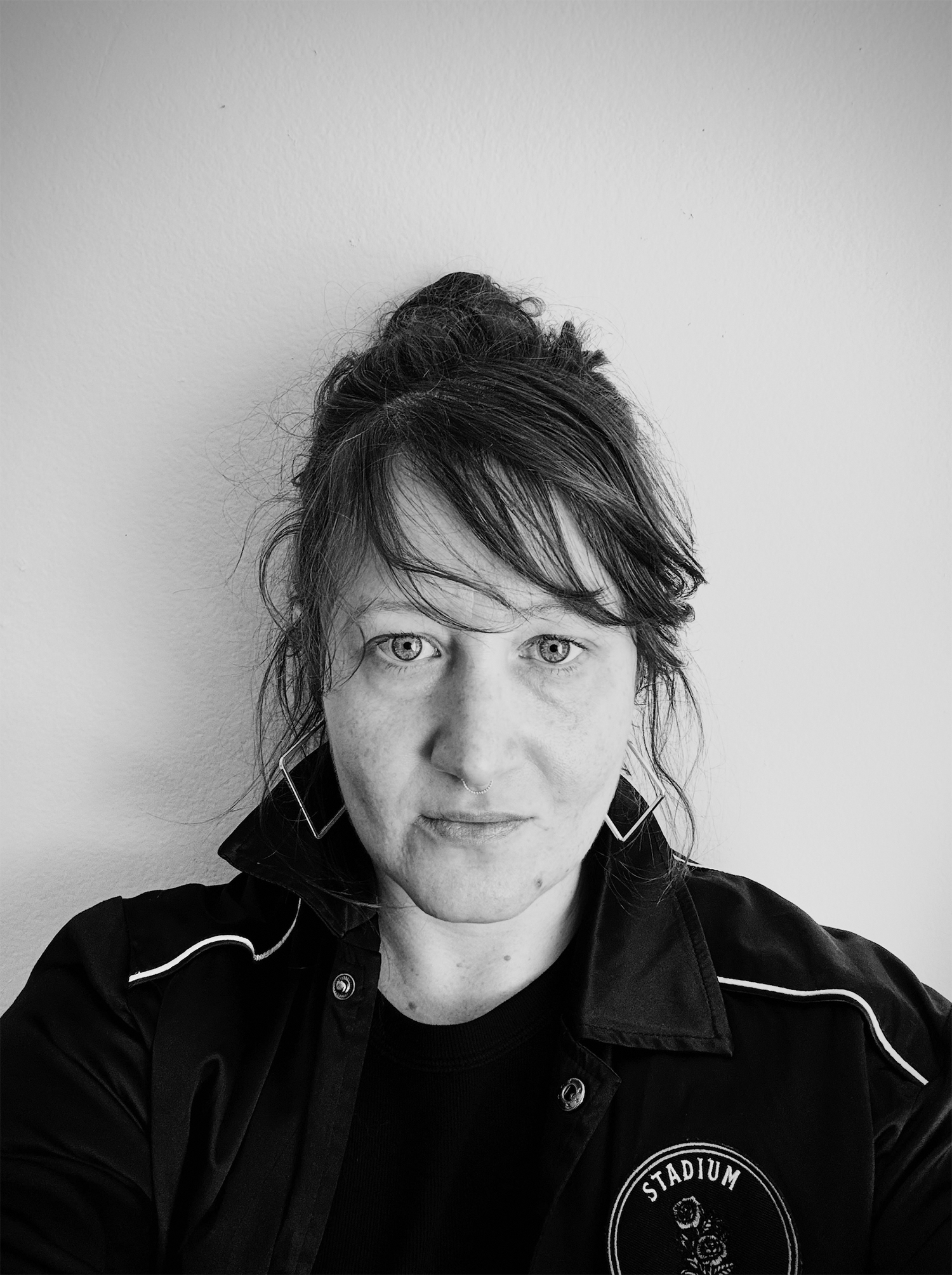
As a film and television professional transitioning into architecture, the 2025 IES Young Professionals Scholarship and IES25 were more than an introduction to the architectural lighting industry. For me, it was a moment of convergence. I came in with a background in visual storytelling and left with a deeper understanding of how lighting doesn’t just shape scenes but systems and lives.
This fall, I begin my Master of Architecture at Southern California Institute of Architecture. The conference helped me bridge the gap between my experience with lighting for the camera and the material realities of architectural and civic design. I’m learning how light shapes our daily lives—how it affects bodies, behaviors, and the narratives we construct about place.
The EP pre-conference workshop grounded me in the fundamentals: who the players are, how the ecosystem works, and where design fits into manufacturing, specification, and integration. That big-picture overview was critical for someone like me, translating existing knowledge into a new professional language.
The EP tour of Disney’s Grand Californian Hotel, led by the original architect and lighting designers, was unforgettable. They offered beautiful insights into their early design thinking for the resort, asking provocative and narrative questions such as how to translate a bungalow-style intimacy to a resort scale setting and how to light the entire experience “from within” to evoke an Old West atmosphere. These questions shaped the project’s visual motifs in endless variation. The keynote by Walt Disney Imagineers echoed these themes of narrative-driven lighting and expanded them across theme parks, wayfinding, and immersive environments. As someone shifting from film to architecture, it was a powerful reminder that my instincts about space and narrative still belong, just in a new form.
From there, I sought out talks at the intersection of light and social impact: trauma-informed environments, lighting justice, and research on circadian health. Each one expanded my understanding of how lighting can serve communities, not just to illuminate but to provide care by creating more hospitable environments rooted in our histories, biology, and cultural experiences.
Throughout the conference, EP peers and seasoned mentors alike generously shared knowledge, answered my questions, and helped me navigate this new terrain. I was especially struck by how the lighting community isn’t just open to people with unconventional backgrounds, it is in many ways built on them.
This conference marked the beginning of my education in architectural lighting, but it also made me feel like I’d found a community—one that values story, technical rigor, humanitarian care, and imagination. It added nuance to the direction of my future master’s thesis, which explores how lighting and spatial memory might reimagine dying American cities as living entities: places with wounds, memory, and resilience. This lens, I believe, can help root communities more deeply in their environments while opening pathways toward alternative futures. In many ways, it mirrors my own journey of transformation, reimagining, and renewal.
I am deeply grateful for this experience, as it sparked a desire to keep learning from those working at the intersection of lighting, storytelling, and public space. I’m excited to stay connected to this community as I continue my education and seek opportunities to contribute.
Bruno Martinez
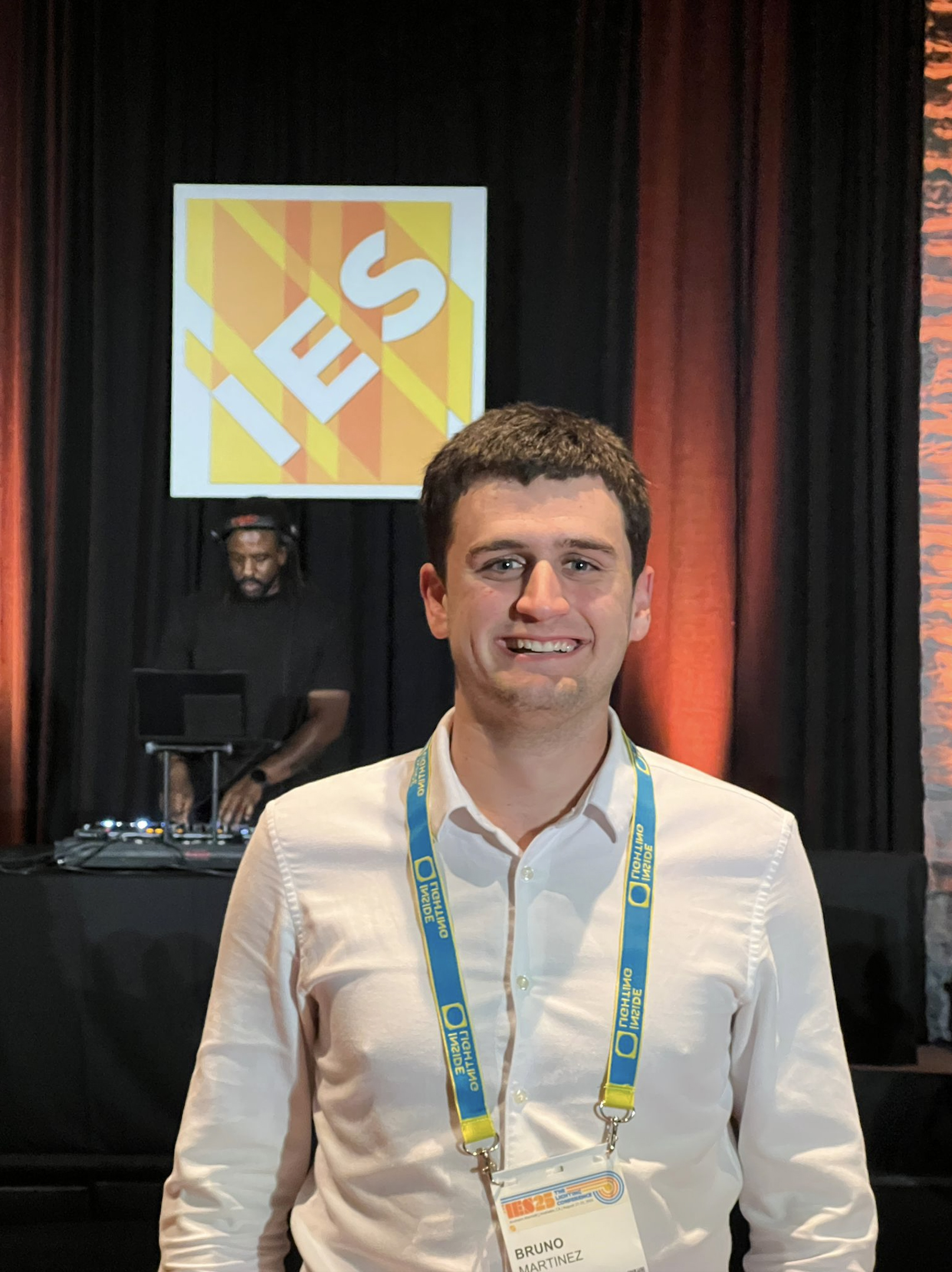
Going to IES25 in Anaheim was not just the next thing on my career agenda, it changed my life and molded me as an individual and a professional. Coming from Spain as a young professional and recipient of the scholarship, I had certain expectations when I attended the event, but I left with so much more: a new course in my life, connections that truly mean something, and immense pride to belong to such an active community.
As an architectural engineer majoring in electrical work, the bulk of my daily activities involve power systems, distribution, and ensuring that infrastructure is dependable. I love this aspect of engineering, but I’ve also long been interested in lighting and its ability to transform space, enhance design, and impact the human emotional experience in built space. Unfortunately, during my regular studies and classes, I’m not always free to study lighting extensively. That’s why the conference was so vital for me: it permitted me to focus on something I truly love, and it allowed me to learn it in ways that will affect my studies and future.
The conference presented many opportunities to learn and meet new people. Attending the EP event was very important for me. Being with others who experience the same problems, goals, and excitement made me feel part of a helpful group. We shared our stories, talked about how lighting can help the environment, and encouraged each other to go beyond our limits. I came away from those meetings not just with networking contacts but also friendships and a feeling of belonging that will stay with me long after the event.
The gala was another great moment that showed the spirit of the IES community. It was more than just a party, it reminded us how important it is to be united, work together, and have a clear vision in our jobs. Seeing leaders, mentors, and peers all together inspired me to think about my own future. I understood that I could one day help younger people and influence the future of lighting design. The atmosphere was full of pride, elegance, and thankfulness, and it reminded me that our field is not just about technology but also about being human.
The conferences and discussions that I attended greatly helped me. I was fortunate to speak with seasoned professionals who shared their thoughts and advice. IES25 revealed to me how technical skills, creativity, and leadership co-exist in real life. It also informed me about the opportunities and challenges in areas including sustainability, technology implementation, and energy conservation. The sessions were like classrooms, and I attended many of the interesting lectures.
Looking back on my experience, I must sincerely acknowledge how the IES25 transformed my life. It was where recognition and inspiration collided, networking turned into actual connection, and career development co-existed with personal growth. Having traveled all the way from Spain for the event, it was all the more dear to me; it revealed how the lighting community is world-encompassing yet unified. I owe gratitude to the IES not only for the scholarship but also for the space that motivates young professionals such as myself to dream larger, innovate harder, and give back.
Leaving the conference, I feel prepared, encouraged, and inspired as never before. I envision the future as an exciting challenge, and I feel proud that IES25 represented an influential point in my journey as an engineer and an individual. I hope I can come back next year.
Emiliana Medina
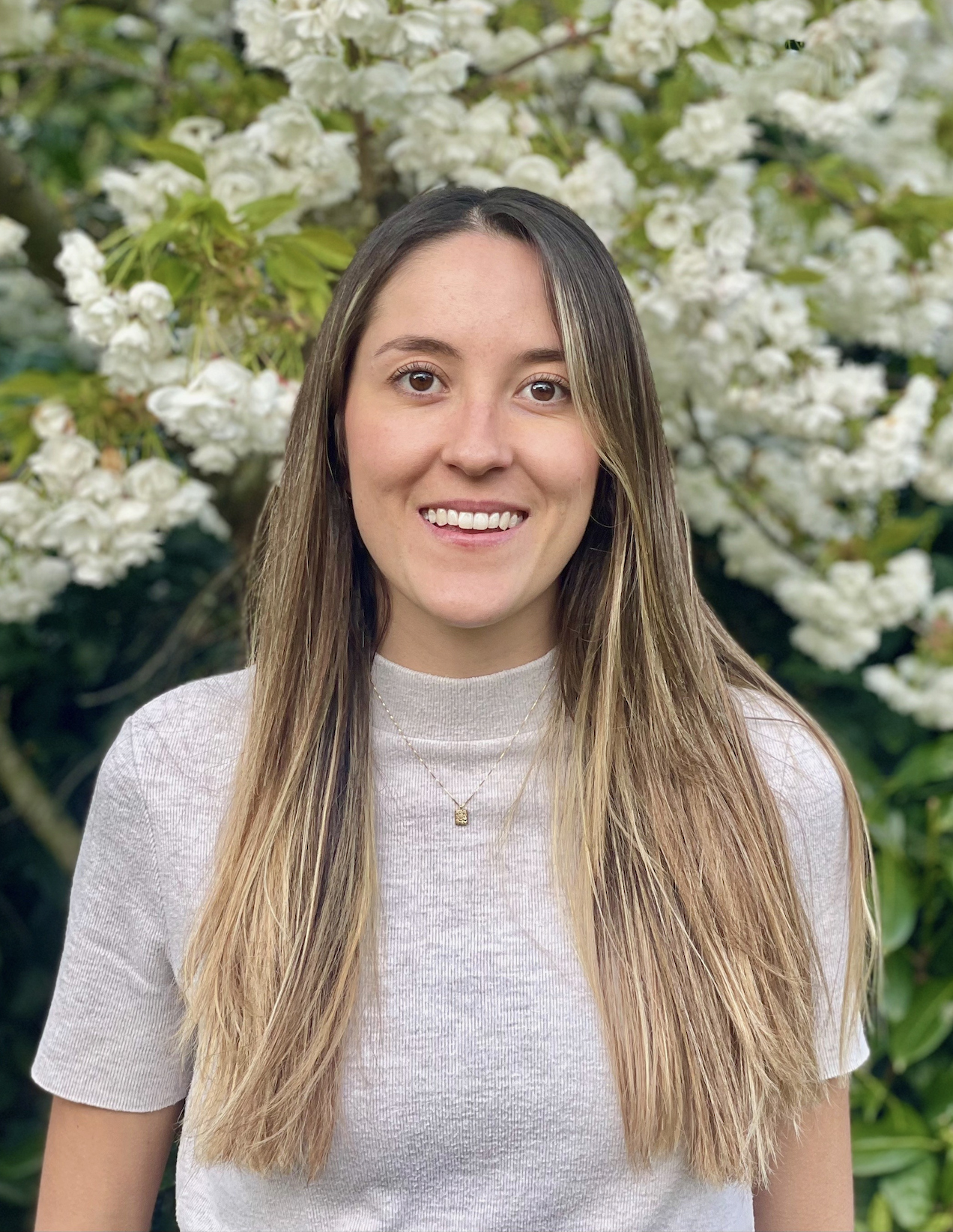
I am deeply grateful to the IES for providing me with the opportunity to attend IES25 as an EP. This year’s conference was an invaluable experience, bringing together a diverse community of lighting experts and offering a space to exchange knowledge, explore ideas, and build meaningful connections that will continue to shape my work as a designer.
My career started in the U.S. after graduating from the University of Colorado, Boulder, with a degree in architectural engineering, specializing in lighting and electrical systems. I began my professional journey in Chicago, where I worked as an electrical engineer on complex, large-scale projects such as hospitals, research laboratories, and university campuses. Over time, my path evolved as I moved to Europe to pursue a Master’s in Architectural Lighting Design degree and expand my practice through collaborations with different designers and studios across various countries. This experience has given me a unique perspective, allowing me to merge deep technical expertise with a culturally informed and design-driven approach to lighting.
Attending IES25 was a valuable opportunity to reconnect with the U.S. lighting community while sharing the insights I’ve gained through my international work. I found it especially rewarding to engage with peers and leaders across the full spectrum of the industry, from designers and researchers to manufacturers and educators. Having these varied voices in one place fostered rich discussions, where challenges were examined from multiple viewpoints and solutions were approached collaboratively.
The lectures and panels provided a wealth of technical knowledge and creative inspiration. I left with actionable ideas that I look forward to researching further and applying to my ongoing and future projects. The range of topics encouraged me to think critically about design strategies and explore innovative approaches to projects, from both a technical performance and a human-centric perspective.
A memorable highlight was the inspiring keynote session and site visit to the Disneyland Hotel. Experiencing the hotel firsthand and learning about its design process was truly remarkable. It reinforced the idea that the most compelling environments are the result of countless small, intentional decisions. Every element—from the architecture to the custom light fixtures—was carefully crafted to fit within a larger narrative, proving that the effort invested in perfecting even the smallest details is what brings a design to life. The keynote speakers from Walt Disney Imagineering shared a fascinating look at their creative process, illustrating how lighting is used not just for function but to create wonder, emotion, and immersion. This experience underscored the power of lighting as a tool for storytelling and meaningful human connection.
The most valuable part of the conference, however, was building and strengthening professional relationships. It was inspiring to meet new peers and reconnect with colleagues from previous events, creating a strong sense of community. I am especially grateful for the guidance and encouragement shared by experienced designers and industry leaders, whose perspectives have been invaluable. These conversations have already led to exciting new collaborations with international studios, allowing me to take on diverse projects and further expand the reach of my freelance practice.
Overall, IES25 was an energizing and transformative experience. I am sincerely thankful to the IES for making it possible for emerging professionals like me to participate in these conversations and to actively contribute to shaping the future of our industry.
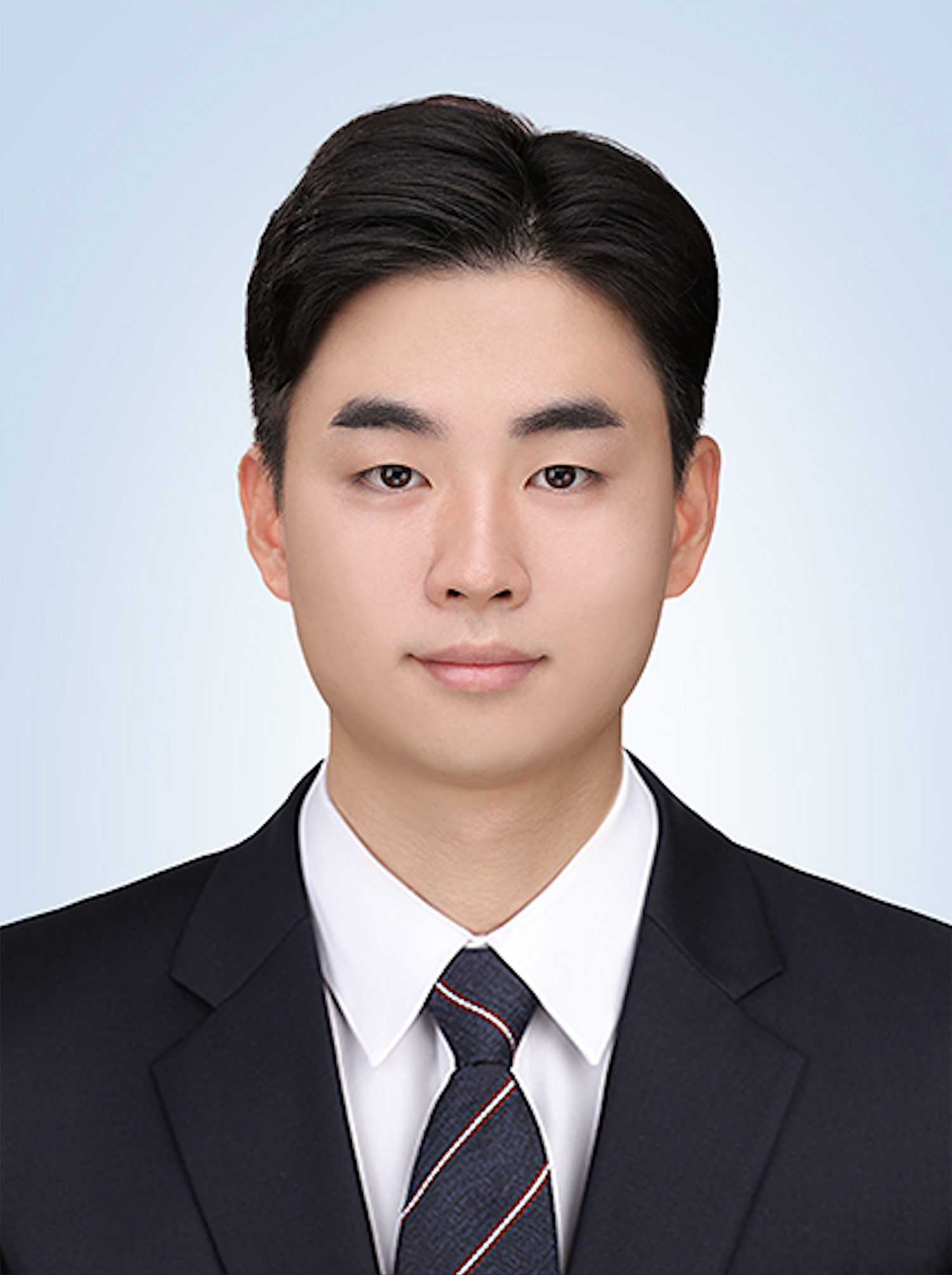
Seonghyuk Son
I had the honor of attending IES25 as both a presenter and a recipient of the Young Professionals Scholarship. This opportunity was both professionally enriching and personally rewarding, as it allowed me to share my research, learn from diverse perspectives, and engage with both academic and industry professionals in the lighting field.
Preparing and presenting this work was an important milestone in my academic journey, as it not only showcased my research but also allowed me to receive feedback from an audience of experts and peers. The questions and comments that followed my talk provided valuable insights into how my study could connect with ongoing discussions in human-centric lighting and virtual reality applications.
Beyond my own presentation, attending other sessions was a truly inspiring experience. I was particularly fascinated by the range of topics covered under the broad umbrella of lighting research. Several talks focused on human-centric lighting, highlighting how light influences circadian rhythms and health. These sessions reminded me of the critical importance of designing lighting systems that go beyond functionality and aesthetics to support human well-being. The discussions on street lighting also expanded my perspective, emphasizing how urban lighting affects not just safety and visibility but also community well-being and environmental sustainability.
I was also drawn to presentations on the use of biometric signals in lighting studies. These studies explored how physiological data can be integrated into lighting research to provide objective measures of comfort and performance. This resonated closely with my own approach of linking cognitive performance with environmental variables, and I felt encouraged to see that this integration of biometrics into lighting research is becoming a prominent direction.
Another highlight of the conference was the networking opportunities. I greatly appreciated the chance to connect with professionals from both academia and industry. The exchange of ideas across these two domains was particularly valuable, as it provided a holistic perspective on how lighting research evolves from theory to practice. Informal conversations during breaks and the lunch sessions were equally meaningful. These moments allowed me to build connections, learn about others’ work, and share my own experiences in a more casual setting. I found these interactions to be not only informative but also motivating, as they reminded me that I am part of a larger community working toward similar goals.
Overall, IES25 was a deeply enriching experience. It provided me with the platform to share my research, broaden my understanding of current trends in lighting, and connect with experts and peers who share a passion for advancing the field. The diversity of topics gave me a comprehensive view of where lighting research is heading. Most importantly, the supportive and collaborative atmosphere inspired me to continue pursuing research that bridges design, technology, and human experience. I am grateful for the Young Professional Scholarship that made this opportunity possible, and I am confident that the knowledge and connections I gained will positively influence both my current work and my future career in the field.
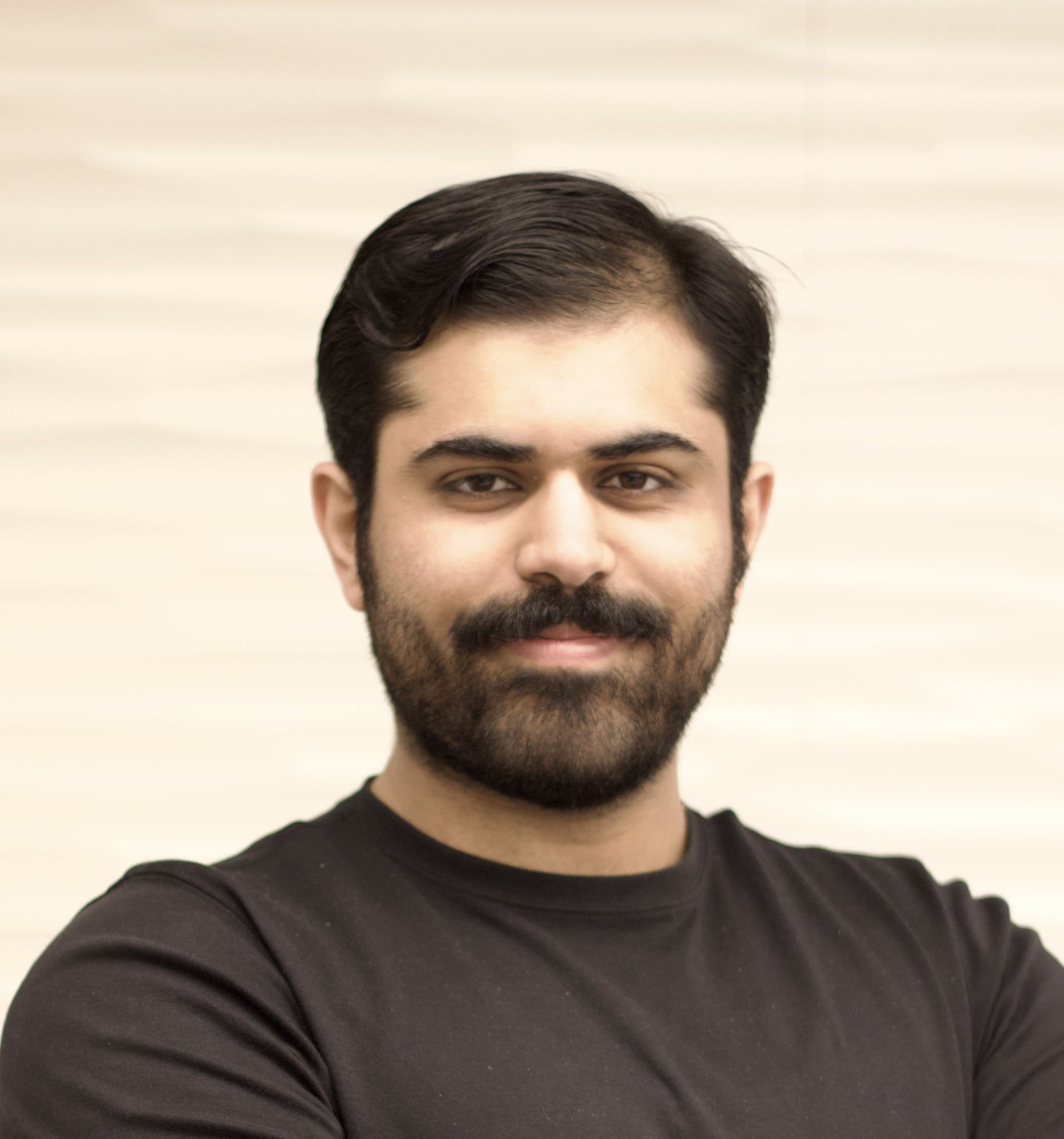
Kianoush Vali
Attending IES25: The Lighting Conference was an enriching experience that broadened my understanding of the lighting industry and the ways in which light affects human experience. As someone passionate about lighting’s impact on health, psychology, and daily life, this conference offered a rare opportunity to learn, network, and reflect on both the technical and human-centered aspects of lighting.
One of the most striking aspects of IES25 was the interdisciplinary nature of the community. The event brought together professionals from vastly different backgrounds, engineers, architects, lighting designers, manufacturers, and students. This diversity fostered dynamic conversations and revealed how lighting intersects with nearly every aspect of the built environment. For example, I participated in conversations about transportation facilities and learned how lighting design in such spaces often neglects human needs, such as circadian health and comfort. These exchanges emphasized the need for standards that better reflect human-centered design principles. I was especially struck by how often lighting is taken for granted in public infrastructure, and how critical feedback from non-experts like users and community members plays a critical role in shaping more inclusive, functional environments.
I appreciated the inclusion of both technical content and space for EPs to engage with leadership. Through the EP workshop, I gained insight into both the qualitative and quantitative aspects of lighting, including design simulations, data collection, and measurement techniques. My involvement in a Technical Committee discussion around lighting controls helped me understand how standards are shaped and how I might contribute as a young professional. This experience showed me how valuable it is to ask questions, challenge assumptions, and speak up, even when others have more experience.
Throughout the conference, I found opportunities to speak with potential employers and mentors about my research interests and career goals, particularly in human-centric lighting. These informal conversations were some of the most impactful moments of the event, as they helped me discuss my professional goals and identify where my perspective might fill existing gaps in the field. It also became clear that many in the industry are actively seeking fresh perspectives from researchers who can bridge technical rigor with real-world relevance. I also realized that part of my journey involves finding the right people: those who “sound like me” and value the same intersections between technology, health, and human experience.
Two research presentations at IES25 were especially relevant to my own work on the effects of lighting on cognitive function in older adults. Linhao Li presented during the session on circadian-effective lighting, and Seonghyuk Son shared findings in a session on virtual reality environments and spatial-lighting interactions. While their specific methodologies differed, both presentations reinforced how lighting design can significantly influence cognitive performance, comfort, and well-being, especially in aging populations. I followed up with both presenters after their talks to better understand the challenges they encountered in their studies, and I plan to stay connected with them for future collaborations and guidance as I continue my own research.
Overall, IES25 was more than just a conference. It was a chance to find a community, challenge my thinking, and gather both inspiration and practical tools. I left feeling energized and more focused on how to translate lighting research into meaningful impact across disciplines. The experience deepened my passion for the field of lighting and strengthened my commitment to applying what I have learned not only through research, but also through my future career.