The technician shortage is a persistent problem in the automotive service and repair landscape. While the industry has shown some improvement, according to MarketWatch, it’s projected that the United States needs more than 471,000 new automotive technicians between 2024 and 2028 to meet the demand. It’s a multifaceted problem created by multiple factors:
• an inadequate supply of graduates from automotive technician programs
• a significant number of open positions created by retirements
• a growing lifespan of vehicles
• more cars on the road than ever before
• aging parts are more susceptible to breakdowns
While technician safety, efficiency, and satisfaction are more crucial now than ever, many shops face productivity bottlenecks, retention issues, and inconsistent operational performance. This is further exacerbated by what seems like a simple issue – a lack of access to quality hand tools and organizational solutions.
The industry already faced a shortage of skilled technicians, but the COVID-19 pandemic created a tipping point, and the industry has yet to stem the tide. The situation further accelerated retirements and service gaps. That, combined with a lack of young professionals entering the fixed operations space, has translated to empty service bays and sinking revenue.
One strain for aspiring technicians is the financial barrier. Trade school tuition alone adds up. Then, combined with the need to purchase tools to secure even an entry-level position, the price tag can easily reach tens of thousands of dollars before a career event begins. While this financial strain has discouraged many new technicians, there is a way to alleviate the burden.
In response, providing technicians with tools as part of their initial employment package, versus a sign-on bonus, can transform a shop’s performance while significantly improving employee satisfaction, recruitment, and retention.
Even the most skilled technician’s productivity is limited without the right tools. Time lost searching for or replacing missing tools, waiting on tool trucks, or working with varying brands and ages of equipment eats into shop efficiency and employee morale. Poor tool organization reduces productivity and increases the risk of leaving a tool behind.
Tool inconsistency across service bays poses a training challenge as well. It takes longer to onboard new hires when every workstation looks and functions differently. These inefficiencies compound over time and can ultimately cause slow service, frustrating customers and technicians alike.
Equipping technicians with tools may seem unconventional, but it makes a great deal of sense compared to the alternative. While shop managers may question whether employees will take tools with them if they were to leave the position, it overlooks the far more critical question of what shops are doing to encourage technicians to stay.
Forward-thinking shops are beginning to understand that a quality toolset isn’t just a productivity aid, it’s a symbol technicians identify with. It tells technicians they are valued, that their work matters, and that their employer is invested in their growth. When a technician enters a new role that provides the right tools, they’re ready to contribute, confident in their capabilities, and far more likely to stay loyal to an employer.
Rather than handing out short-lived signing bonuses, service managers should view tools as a growth-driven investment. Providing every technician with a complete, standardized set of tools from day one is an investment in both their future career and the efficiency of your repair environment. While it may sound costly, initially, the long-term benefits far outweigh the cost.
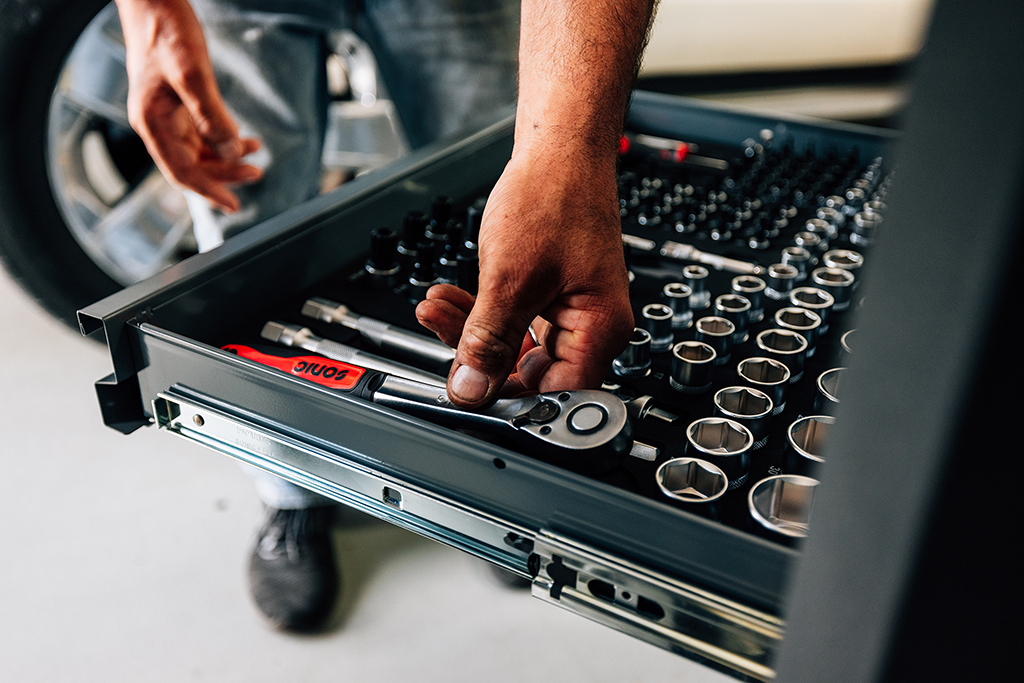
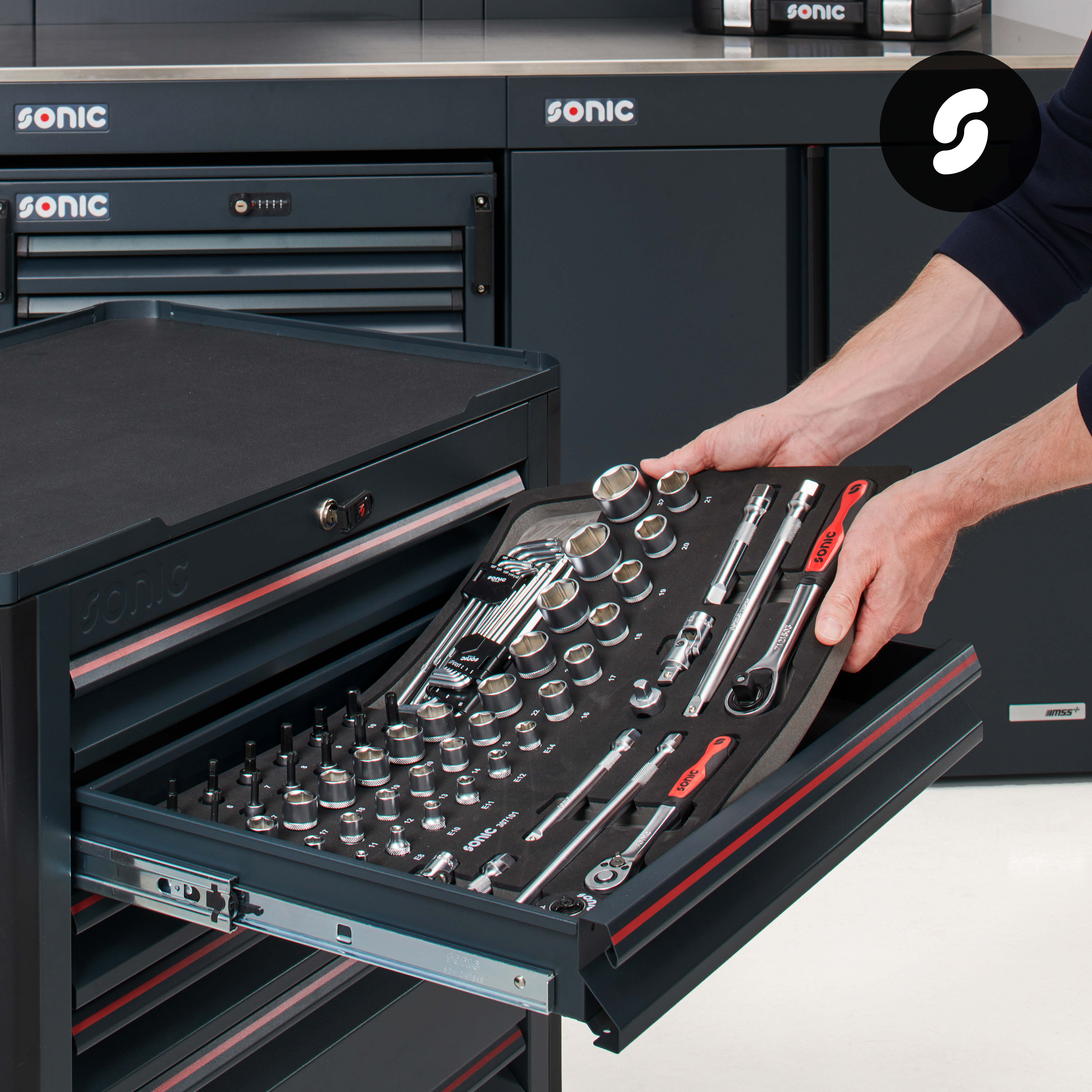
Furthermore, tool control reaches new heights when purchasing tools and corresponding storage solutions, particularly those with custom foam. Each tool has a designated space, reducing losses, improving accountability, and streamlining repair workflows. Technicians know precisely what they have, what their neighbor has, where it is, and that it’s ready to perform.
Uniform tooling across all bays ensures consistency, simplifies training, eliminates toolbox cross-contamination, and speeds onboarding when tools and layouts are consistent across the shop. New technicians are equipped from day one and can produce value immediately instead of waiting weeks to assemble or finance their respective toolkits. Conversely, they won’t be burdened with the cost of tools they won’t use until they are further along in their career. This also fosters a sense of professionalism and pride in the workplace—each tech feels valued and trusted from day one. Technicians are also more likely to join and stay with shops that remove financial hurdles.
Beyond the individual benefits, the business case is compelling. Shops that provide tools see faster ramp-up times, lower turnover, and fewer tool-related interruptions. With no more tool truck breaks, technicians can stay focused, contributing more billable hours and smoother operations overall. It’s not just a quick solution, but a forward-thinking investment that strengthens service department performance and extends beyond hiring and retention efforts. Unlike signing bonuses, tools are tangible assets that can be depreciated over time, often making them more cost-effective with long-term tax advantages.
Offering technicians a well-organized, thoughtfully stocked toolbox isn’t just about image—it’s about delivering a message and letting employees know they matter. That message resonates deeper than a one-time check ever could.
In an industry with a vast talent gap, shops that make thoughtful, long-term investments in their people will come out on top. Providing tools isn’t just a solution, it’s a strategy. It equips technicians for success today, to set the foundation for loyalty and performance tomorrow.
To stand out in a crowded hiring market, skip the bonus and choose to provide your technicians the tools and respect they deserve.
Colby McConnell is a dedicated and results-oriented executive with over 15 years of experience in sales, customer experience, and operations within the automotive, aftermarket, and distribution industries. Before joining Sonic, he led global sales at APR LLC, an industry leader in aftermarket performance products for Porsche, Audi, and Volkswagen. At Sonic, Colby is focused on expanding market opportunities and increasing market share in the competitive U.S. landscape. His expertise and passion for the automotive sector drive his success in navigating and growing the brand.