The standard way the automotive service and repair industry recruits and retains qualified automotive technicians simply can’t keep pace with demand. According to the National Automotive Dealers Association (NADA), the industry needs to replace approximately 76,000 technicians each year.
Unfortunately, only about 39,000 new service technicians graduate from training programs each year – leaving an annual shortfall of about 37,000 trained technicians.
In short, the industry must change their recruiting process to halt falling further behind in hiring and retaining technician talent. Automotive service and repair leaders need to completely rethink and reimagine how they hire and retain the talent they need to meet this ever-increasing demand.
Many shops and dealerships have responded to the technician shortage by providing increasingly larger signing bonuses upon hiring. This method falls short in building loyalty and truly supporting the technician workforce through their respective careers. Instead of a signing bonus, employers can provide a long-term career development support system, such as with the Sonic Pathway Program or some other method for helping technicians purchase the tools and receive the training they need. Enabling workers by providing tools and helping them avoid needless debt will help service and repair managers to reduce turnover and ultimately run faster and more efficient service bays.
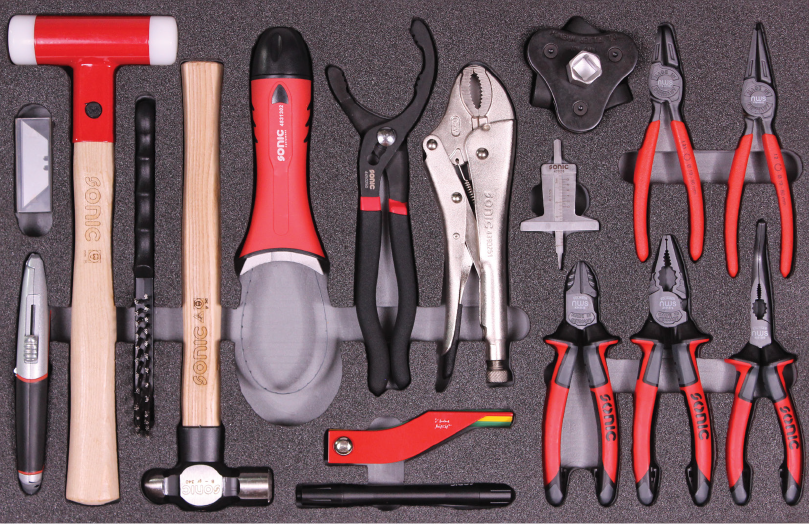
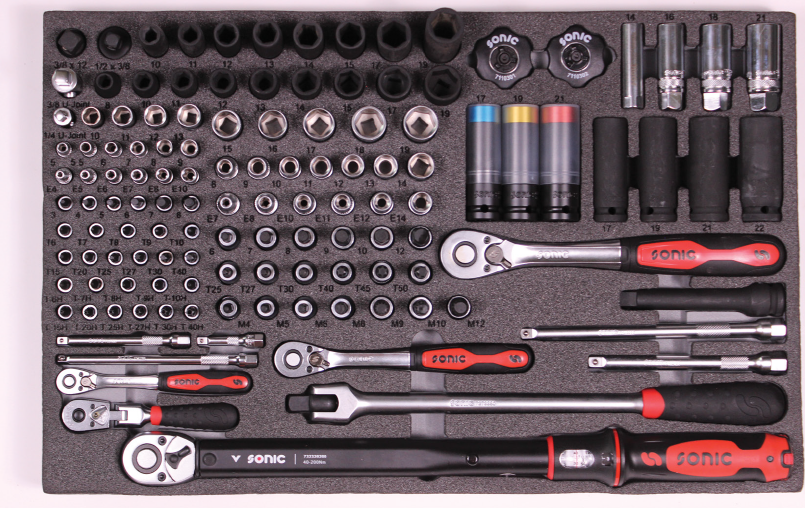
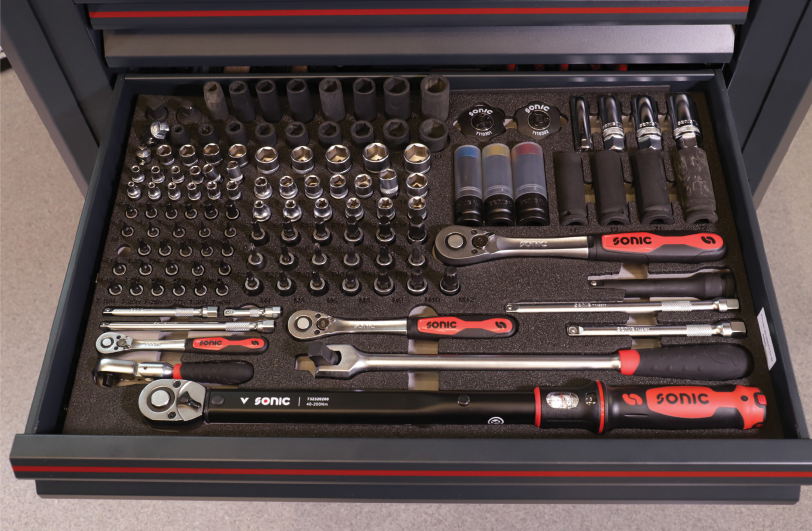
One innovative and affordable way is for automotive dealerships and service and repair centers to supply tools directly to its technicians (with specialty pricing). From the moment a candidate is hired and trained to become a master technician, the tool costs are covered by the employer and toolsets are upgraded as the technician’s skills increase.
In addition to the obvious cost saving advantage designed to entice and encourage the technician, the direct purchasing model also overcomes lost and non-billable time stemming from spending time on a tool truck, browsing, shopping and going further into debt. When shops purchase tools directly for technicians versus providing the traditional signing bonus, technicians can also exhibit more loyalty over the long-term since they know they won’t have to keep buying tools with their own money while the business itself enjoys additional tax advantages through capital equipment purchases.
As stated, the Direct Purchasing Model ensures that technicians are not saddled with debt and don’t ini-tially overbuy tools at the start of their respective careers they won’t need just yet. It also empowers them to affordably upgrade as they master their craft and gain the necessary skills. It virtually removes one of the largest and most intimidating barriers to entry for new automotive trade school technician graduates, the multi-thousand-dollar investment in a toolset.
Furthermore, it provides managers the ability to provide tools to workers that are appropriate for their respective skill levels, versus workers accruing additional debt by continually purchasing toolsets on their own — a major hurdle to bringing in and keeping the talent this industry desperately needs.
Take Genthe Automotive, a group of Michigan-based automotive dealerships that has been family owned for more than a century and recognizes that a successful career in service and repair starts with a strong foundation — proper training, a solid work ethic, and reliable tools. Genthe created its own TechJump Program which trains technicians on well-defined, crystal-clear career progression pathways to start their respective automotive service and repair careers.
What sets Genthe’s program apart is its goal of equipping trainees with the right professional tools at the right time. Genthe provides each technician with toolsets and corresponding toolboxes to alleviate the initial burden of tool costs for new technicians. Common barriers to entry, such as tool debt, do not fall on the trainee. Instead, Genthe equips and empowers them with what they need to perform professional tasks aligned with their respective skill level, and later, the tier beyond.
“Our desire is to develop talent at the beginning into skilled technicians ready for a long-term career,” said Bruce Genthe, the fourth-generation president of Genthe Automotive. “The program’s blend of technical education, practical experience, and access to premium tools fosters a rewarding and sustainable career path for aspiring technicians. It enables us at Genthe Automotive to show we care about technician career development and success by fostering a nurturing learning environment.”
Allen Turner of the Allen Turner Automotive Group expresses similar sentiments, recognizing the need to foster new technicians from a tools, training, and confidence standpoint. “It can be intimidating for a young person to walk into a shop. They might come in with no tools or maybe a small set they got from their uncle or whomever, so we need to provide a soft landing for aspiring technicians,” said Turner. “To start, we essentially buy them a lube tech set, a beginner set, and we pair them with a trainer to learn basic maintenance such as oil changes, wipers, bulbs, air filters, and the like, and then they might work on used cars or recalls.”
However, the career development and training doesn’t end there. “After they work for us for a few years and have built up some sweat equity, we move them from a lube tech role to a flat-rate technician role. Through this process, we are helping them continue to build that sweat equity while providing them the proper tools and a safe place to learn,” said Turner. “Eventually those technicians can then become trainers themselves. It feels good to see a technician move to a trainer role where they are building a lucrative career while filling a critical void in the workforce.”
By committing to and investing in programs such as the Sonic Pathway program (details can be found at Sonic Pathway Program) or bespoke programs such as Techjump at Genthe Automotive, automotive dealers, service centers, and repair shops can make a meaningful dent in the annual 37,000 technician shortfall. It starts by creating a safe, nurturing environment for technicians to learn the trade, and then supplying them with the right tools, at the right time, with the right training. Sonic’s formula is helping forward-looking shop owners and technician managers deal with the worker shortfall more effectively. If more shops can emulate such programs, the better off everyone—from the owners, managers, technicians, trainees, and even the customers themselves—will be.
John Basso is the Marketing Director at Sonic Tools USA, and a 30-year vet of the marketing and advertising industry. With a deep knowledge of the retail automotive business, he has worked with dozens of auto groups and dealerships to assist in lead generation and promotion development. Feel free to reach out to him at johnny.b@sonictoolsusa.com.