Fixed Operations is the cornerstone of dealership profitability. To maximize FixedOps performance, it’s crucial to understand the complex interplay between labor gross, parts gross, effective labor rates, work-in-process costs, and discounting strategies.
Here are some key areas that need your attention.
The true picture of Labor Gross Profit is more complex than simply subtracting technician wages from labor sales. Many dealerships overlook hidden losses that quietly erode labor gross.
Similarly, Parts Gross is not as simple as it might seem at first glance. Inventory costs and accuracy are often underestimated yet can significantly drain the parts department’s profitability. Parts pricing needs to balance competitiveness with profitability. Relying solely on manufacturer list pricing without considering local market dynamics or customer segments can limit growth. A more nuanced approach to parts pricing can significantly improve overall gross while maintaining market share.
Advancements in OEM inventory management software have revolutionized accuracy and efficiency. Old-school perceptions about these systems burdening dealerships with inventory expenses might have been a valid concern 2 decades ago, but not anymore.
The modern systems have evolved dramatically and leverage the nationwide data to predict demand, often recommending parts before you sell one. The accuracy of these systems makes manually managing inventory levels unnecessary. By trusting these systems and staying compliant, dealerships not only optimize inventory but also safeguard it effectively.
Understanding your Effective Labor Rate (ELR) and how it differs from your posted door rate is often a challenging area for many dealership personnel. However, recognizing and addressing this gap is critical for sustained profitability.
In an ideal dealership, only two factors should affect this difference for everyday customer-pay work: management pricing and the work mix flowing through the shop. However, service menu pricing and package deals can unintentionally lower your ELR if not carefully structured. While package deals can drive volume, they often erode profitability when not calculated strategically. The key is finding the right balance between attracting customers and maintaining sustainable margins.
With fixed labor times and rates, warranty jobs can lower your overall ELR. Efficient dealers maximize profitability by ensuring technicians can complete warranty repairs within the allotted time without compromising quality. Achieving this requires ongoing technician training, investment in the right tools and equipment, and streamlined processes.
By understanding these factors and implementing strategic measures, dealerships can optimize their ELR and enhance overall profitability.
Work-in-Process (WIP), as I tell all my clients, is an expense until the dealership gets paid. You’ve already paid for the part, covered your technician’s time, and now you need to recover those costs along with your profit margin. Yet, WIP is one of the most overlooked drains on FixedOps profitability.
The costs of WIP extend beyond just waiting for the bill to be paid. Consider how many extra unbillable days of loaner cars were used, the parking spaces tied up by aging vehicles, or the risk of damage to customer cars sitting on the lot. Add to that, technicians forgetting where they left off on a job, customers negotiating “longevity discounts,” and countless other unrealized losses that come with prolonged repair times.
My rule of thumb? One way or the other, your average repair order begins losing gross after about five days. Addressing these hidden costs requires efficient work-flow management, clear communication with customers, and strategies to minimize delays and inefficiencies.
By keeping WIP under control, dealerships can protect their profitability and enhance customer satisfaction.
Discounting is often viewed as a necessary tool to stay competitive, but its true impact on profitability is often underestimated. Blanket discounting policies such as automatic discounts for fleet customers or service packages should be regularly reviewed to determine their actual value. Many dealerships continue long-standing discount programs that no longer align with today’s market conditions, unknowingly eroding profitability.
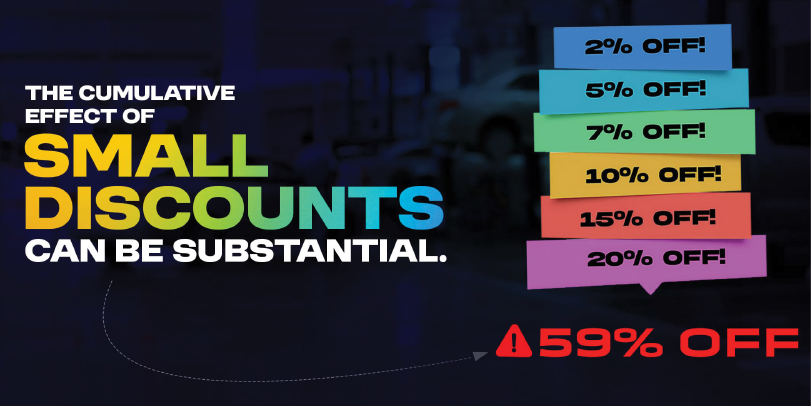
The cumulative effect of seemingly small discounts can be surprisingly large. A 5% discount here and a 10% discount there might seem insignificant, but across multiple repair orders, these reductions can severely impact monthly profits.
Savvy dealers establish strict discount authorization protocols and closely monitor their usage. It’s essential for service advisors to have the authority to offer some discounts, but it should be carefully managed and should not be an open invitation to give away profits.
The foundation of Fixed Operations profitability lies in understanding and actively managing these often-overlooked factors. As the saying goes, “Inspect what you expect.”
Profitability in Fixed Operations isn’t just about boosting revenue—it’s about controlling the many variables that impact your net profit. By analyzing these factors daily and making adjustments as needed, dealerships can achieve sustainable improvements in FixedOps performance and overall profitability.
Joseph Minns is the Head of FixedOps Operations at Frog-Data and is responsible for the operations of the FixedOps Platform, Consulting, Warranty Administration Services and Performance Consulting. He has 34 years direct experience in Fixed Operations, with responsibilities that have spanned from a single point dealer, to over 800 employees in a single dealer group of 27 dealerships and 31 OEMs.
He holds multiple OEM Master certifications in Service Management, Parts Management, Body Shop Management, Commercial Vehicle Management, and is a NADA Service Graduate. In his free time, he is a leader in the Boy Scouts, a lieutenant in the fire service, and certified underwater rescue diver.