< Back to Table of Contents
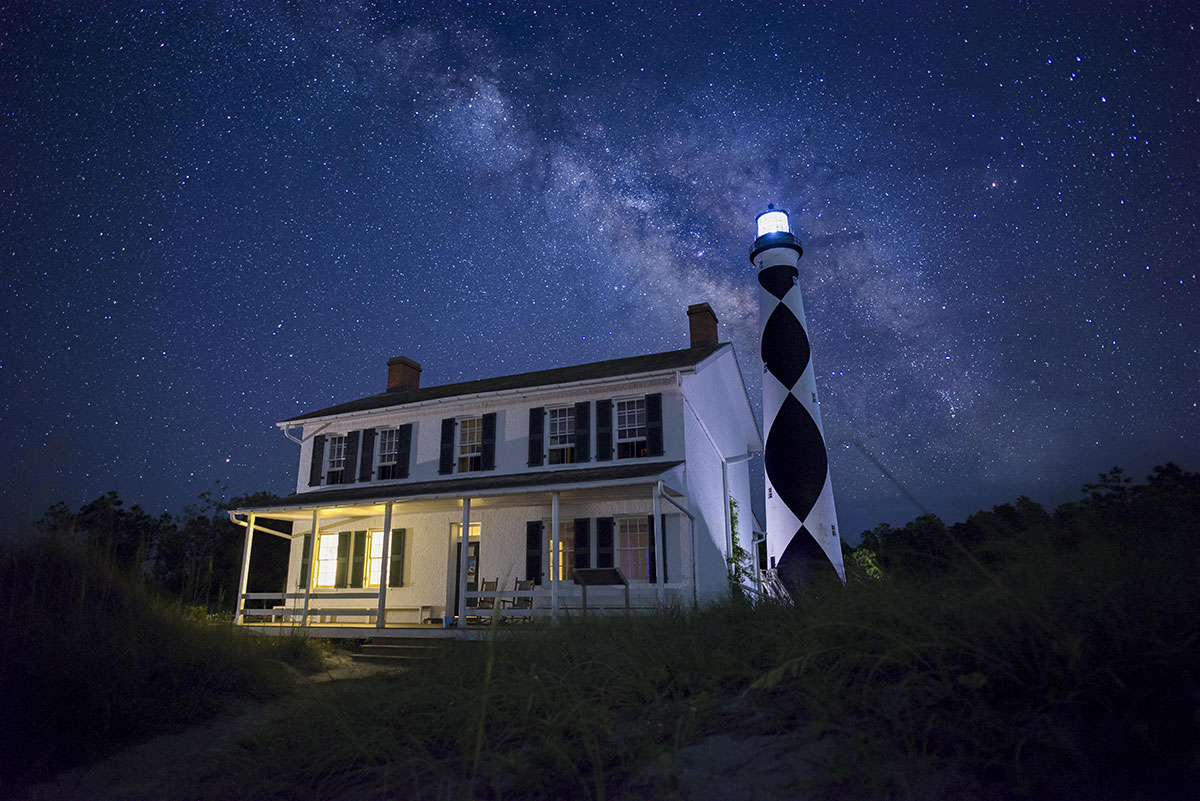
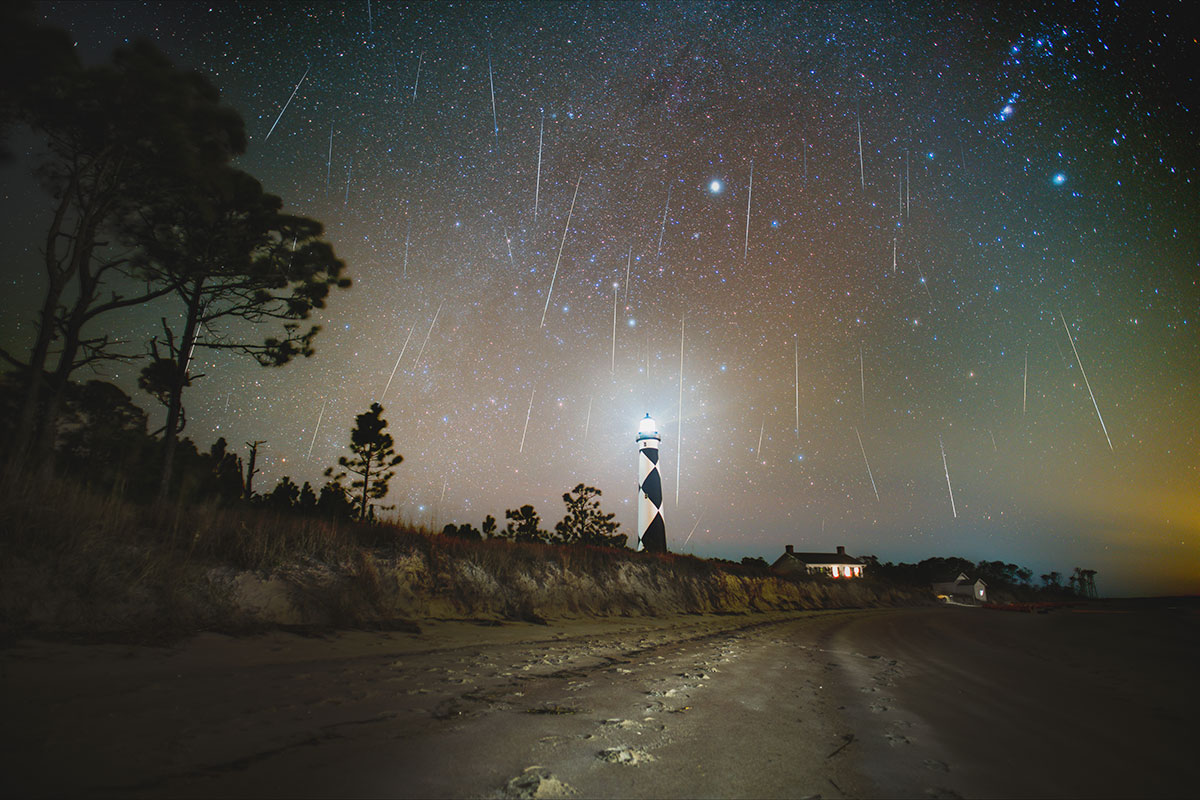
Nighttime stars at Cape Lookout Lighthouse, North Carolina
North Carolina's Crystal Coast
Starry, Starry Nights
Trade glowing skylines for views of galaxies far away at eight of the nation’s best dark sky destinations.
By Kyle Marra
Star light, star bright, please let me see some stars tonight. I wish I may, I wish I might, lie beneath the lunar light—as cities expand, buildings get taller and the skies are harder to see, finding a place to enjoy the beauty of the heavens is not an easy task. Luckily, DarkSky International has designated more than 99,400 miles of land across six continents and 22 countries as dark spaces. These incredible destinations are known for their breathtaking starry nights, limited light pollution and exceptional nocturnal environments. More than 60 certified dark sky places are found in the United States, many of which are open year-round. The eight included below offer some of the best dark sky experiences in the country.
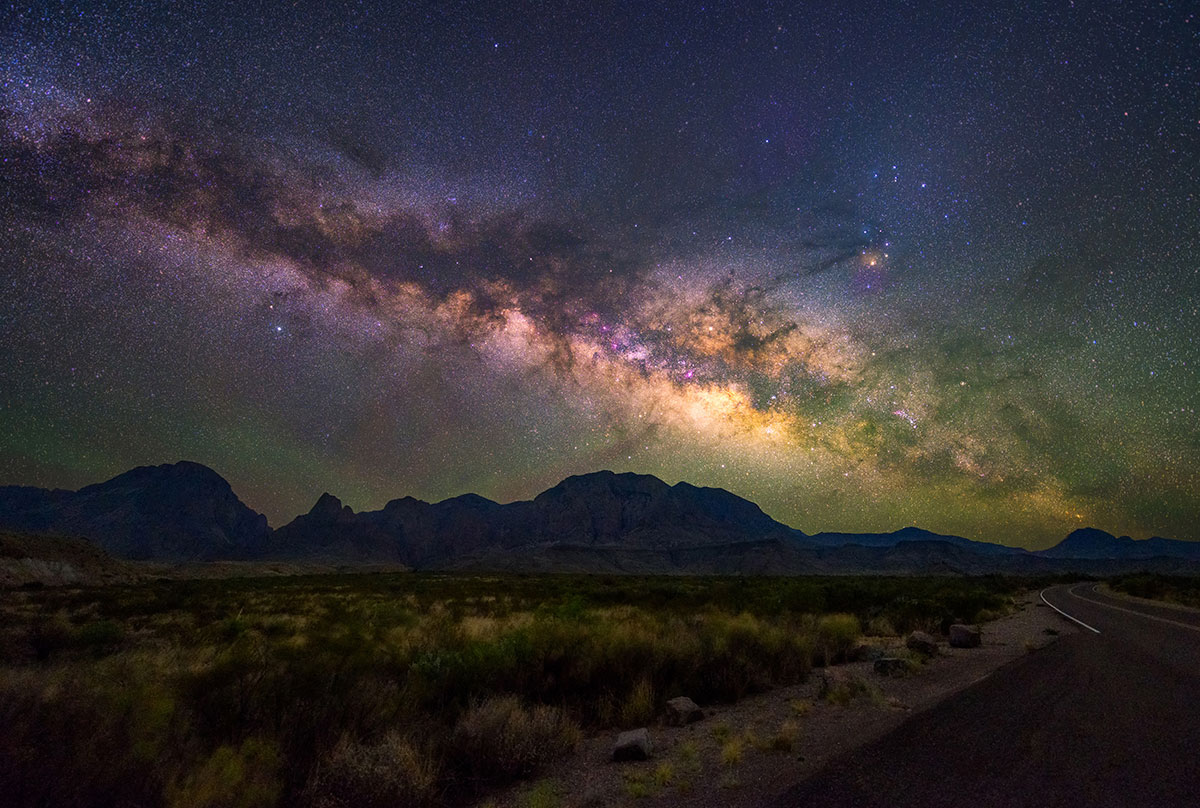
Big Bend National Park, Texas
ADOBE STOCK
Texas
Big Bend National Park
Home to the best dark skies in Texas, Big Bend National Park is ranked Class 1 on the Bortle Dark-Sky Scale, which measures how well you can see objects in the sky at night. Such a ranking means that some areas in the park lie beneath the darkest skies on Earth, notably at:
River Road
The West Contrabando Trailhead
Big Hill
The Hoodoos
Note: Primitive camping is available within the park if you are feeling adventurous.
Cherry Springs State Park, Pennsylvania
Pennsylvania
Cherry Springs State Park
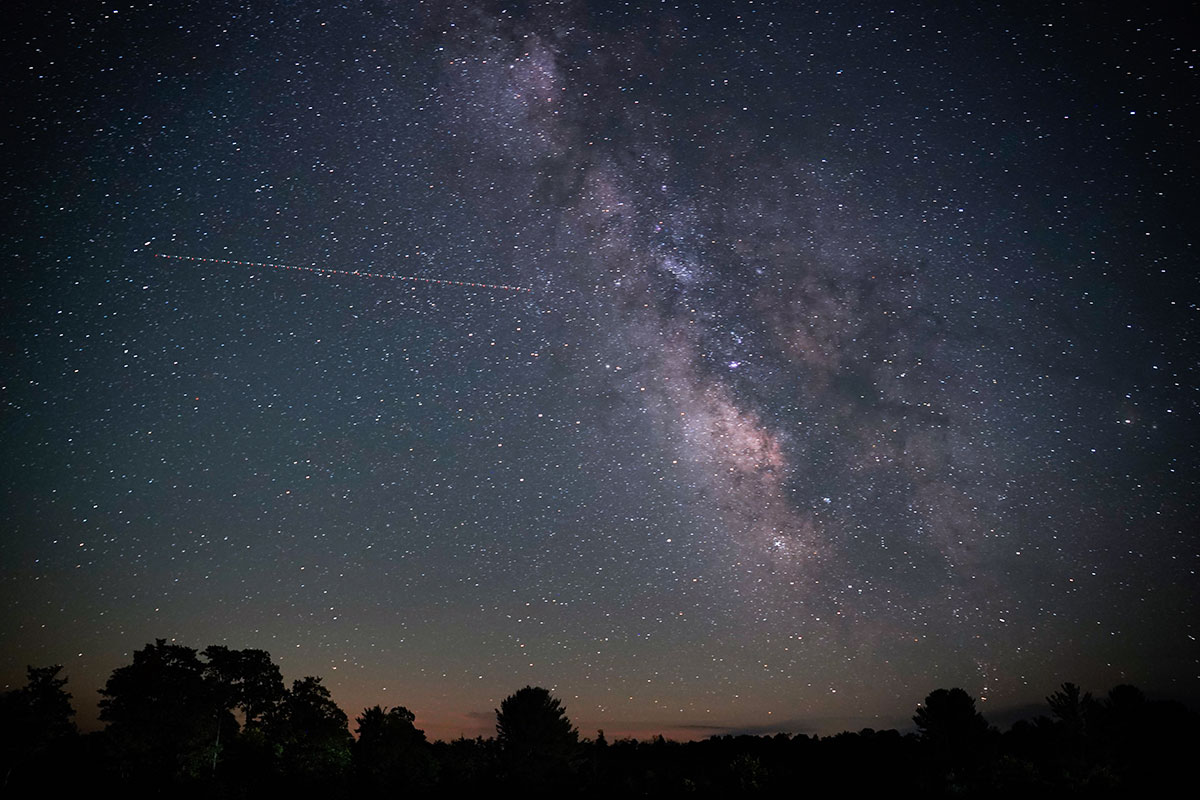
In 2008, Cherry Springs State Park became the world’s second international Dark Sky Park. Its famous Astronomy Observation Field presents an unobstructed 360-degree view of the night sky completely untainted by any light pollution. The park is open year-round and features 60 to 85 nights a year that are ideal for stargazing, seeing the Milky Way, and spotting planets and other astronomical phenomena that are difficult to observe anywhere else.
Okefenokee Swamp, Georgia
Georgia
Stephen C. Foster State Park
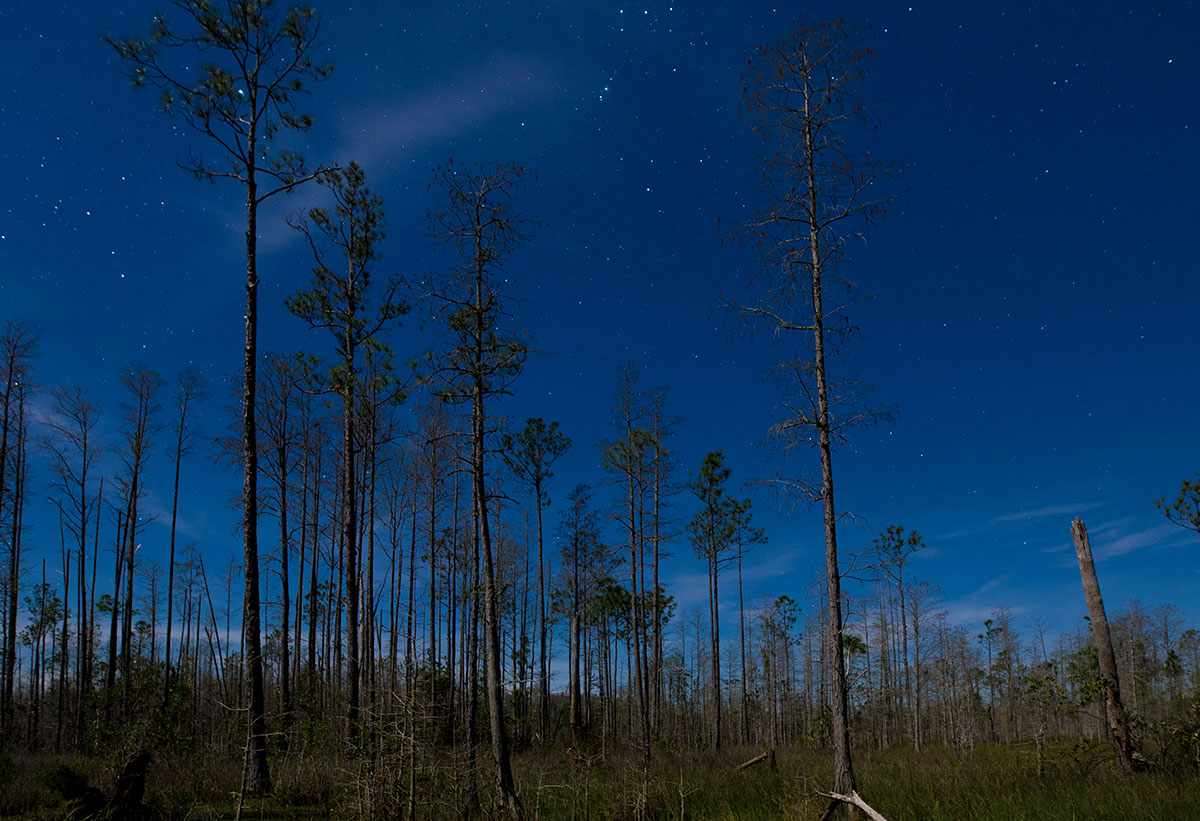
Known as the gateway to the Okefenokee Swamp—one of Georgia’s seven natural wonders—this secluded state park offers some of the darkest skies in the Southeast. Late-summer visitors can experience stunning views of the Milky Way and even the occasional meteor shower, with very little interference from light pollution. If you’re planning a visit, be sure to keep an eye on the weather, the moon cycle and any potential astronomical events to ensure the best possible viewing experience.
Note: Insects, alligators and other critters call the swamp home. Be sure to bring bug repellent, dress appropriately and be mindful of your surroundings.
Tennessee
Picket Creek CCC Memorial State Park
This state park was the first in the Southeast to be certified for dark sky viewing. The astronomy field is located at the Pogue Creek Canyon State Natural Area’s parking lot on Highway 154. The stargazing area is equipped with electricity and is open year-round to celestial enthusiasts. The park also offers scheduled star parties throughout the year, during which professional and amateur gazers alike gather—telescopes and cameras in-hand—to observe and learn about the night sky.
Kissimmee Prairie State Park, Florida
Florida
Kissimmee Prairie Preserve State Park
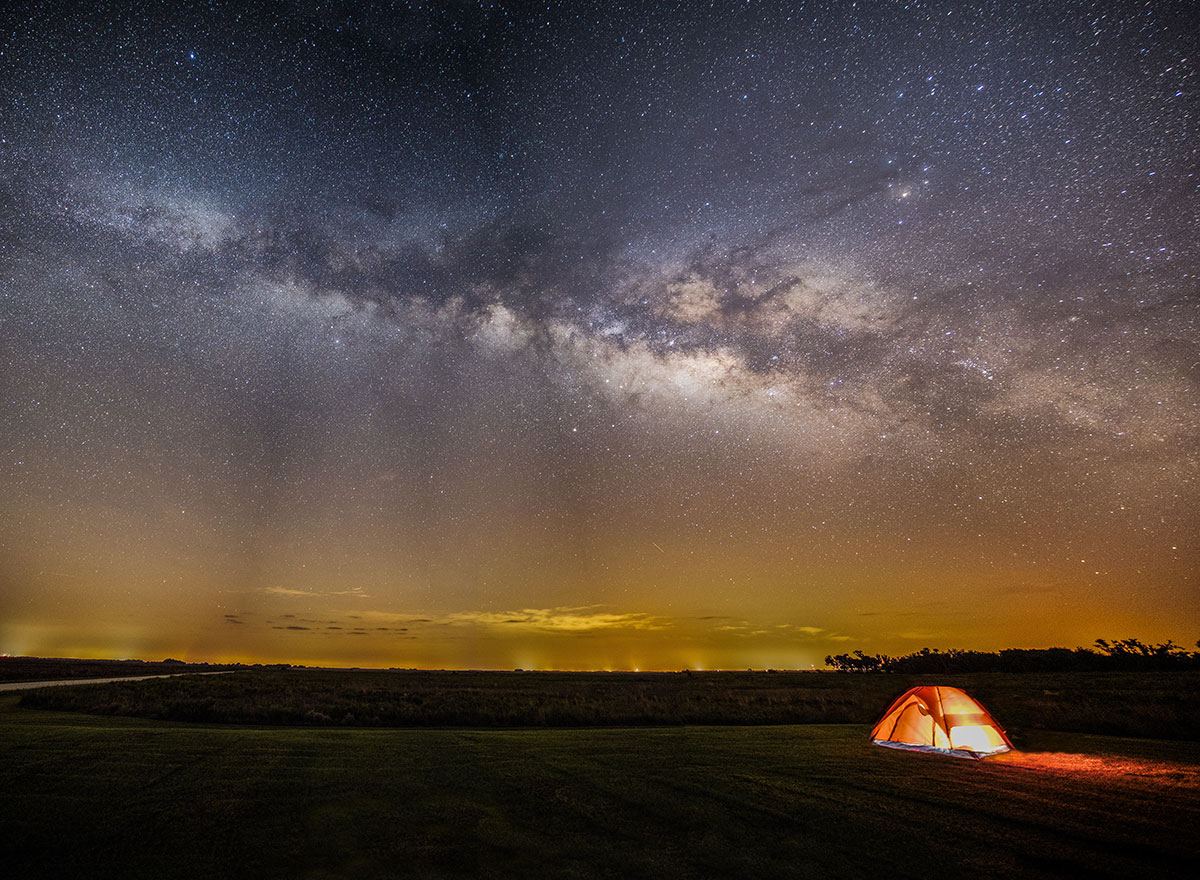
Florida’s first Dark Sky Park is far removed from the distractions of city lights. Visitors can reserve astronomy-specific campsites to secure their place under the stars. This location is ideal for viewing Jupiter, Saturn and the International Space Station as it creeps around the Earth. If you time your visit right, rocket launches are also viewable from the campsites.
Note:
Campers must arrive before sunset to check in with the ranger on duty.
Pass holders can obtain nighttime access to any of the preserve’s day-use areas by picking up an after-hours pass at the park office during business hours.
Red-filtered lights are the only lights permitted, no white lights.
Only registered campers and after-hours pass holders are permitted to access the preserve after dark, so be sure to plan ahead.
Headlands International Dark Sky Park, Michigan
Michigan
Headlands International Dark Sky Park
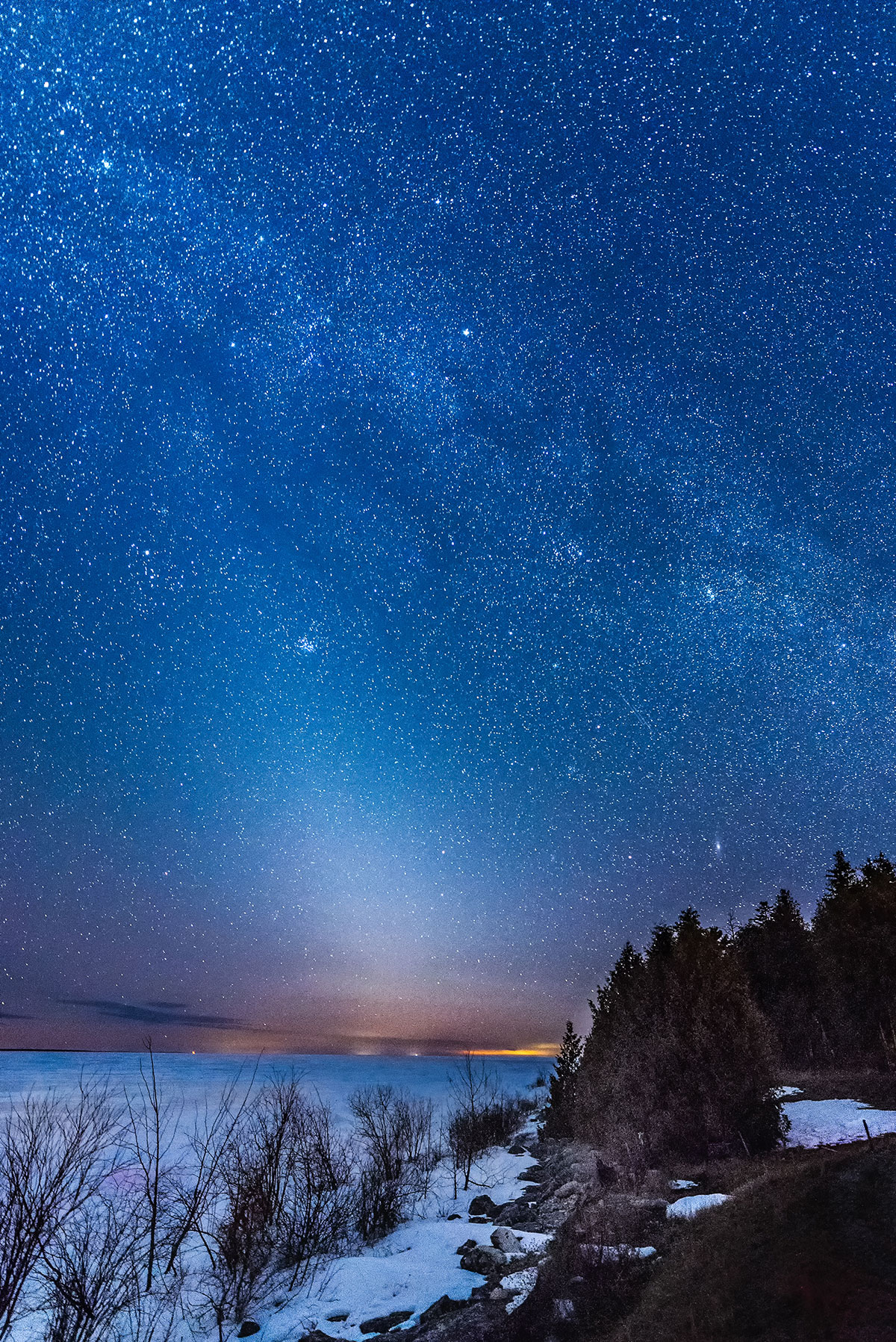
Situated on the shores of Lake Michigan, this unique park offers visitors surreal views of the night sky, while also providing educational opportunities for those looking to discover the influence of stars in art, architecture, history and religion. The park is open 24/7 but does not permit camping. Bring a blanket, chair, snacks and drinks, grab a spot near the shore and stay awake all night, observing the beauty of the endless universe above. Remember to pack something warm to wear since temperatures will be 10 degrees cooler at night due to the park’s proximity to the water.
Note: As a courtesy to other observers, be sure to pack a red-light filtered flashlight. Well-mannered pets are allowed, provided they stay on a 6-foot leash at all times.
Cape Lookout National Seashore, North Carolina
North Carolina
Cape Lookout National Seashore
On a series of barrier islands 3 miles off the North Carolina coast rests the Atlantic’s first Dark Sky Place. Viewers can expect pristine views of the Milky Way, Ursa Major and Ursa Minor, meteor showers and rocket launches. If you are planning to kayak or take your own watercraft to the islands, be sure to pay attention to the moon and tides. If there is a “king tide,” there may be significantly less beach to camp on, so plan accordingly.
Buffalo National River, Arkansas
KIRK JORDAN
Arkansas
Buffalo National River
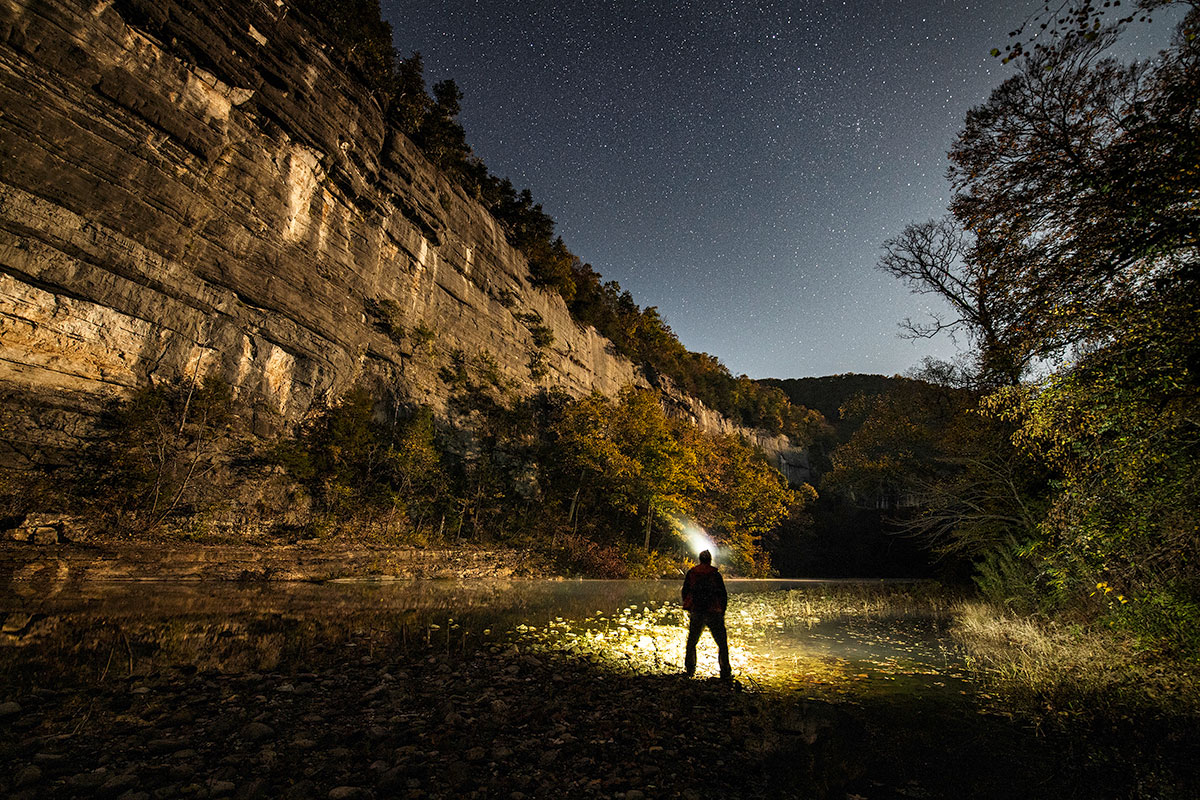
Paddle through the Ozarks during the day and camp under starry skies by night along the Buffalo National River, a designated International Dark Sky Park. When the sun goes down, stargazers are treated to shooting stars; constellations; nebulas that hint at galaxies far, far away; and, if you’re lucky, maybe Mars and Venus. Other nighttime activities include moonlight paddles, fly fishing and guided hikes.
As cities grow and light pollution diminishes the ability to see stars, now is the time to get away and experience the night sky in its raw, unobstructed beauty at a designated stargazing destination.
Talk to a knowledgeable AAA Travel Agent for planning a vacation to a dark sky destination.
Here Are More Great Stories for You to Read!
Attend Macy’s Thanksgiving Day Parade
Discover Natural Bridge, Virginia
AAA Savings on Dining, Sporting Events and More!
Exploring Mitchell, County, North Carolina