With National Geographic-Lindblad Expeditions cruises scheduled to become available in 2025 to eligible* Members using vacation points, Disney Files Magazine Editor Ryan March sails to the Galápagos Islands to gather first-person insights for Members eager to embark on an expedition. (These are the sacrifices he makes for his job.)
By Ryan March
When my leaders asked if I’d be up for sailing to the Galápagos with National Geographic and Lindblad Expeditions to write a story for Disney Files Magazine, I had a lot of questions. Can I leave now, or do I have to stay for the rest of this meeting? Who’s going with me? What’s the ship like? What’s the food like? What’s a typical day like? What do I wear? What kind of camera should I bring? Am I in good enough shape? Can I hug a sea lion? Now that I’m back from what proved to be the trip of a lifetime, I have answers.
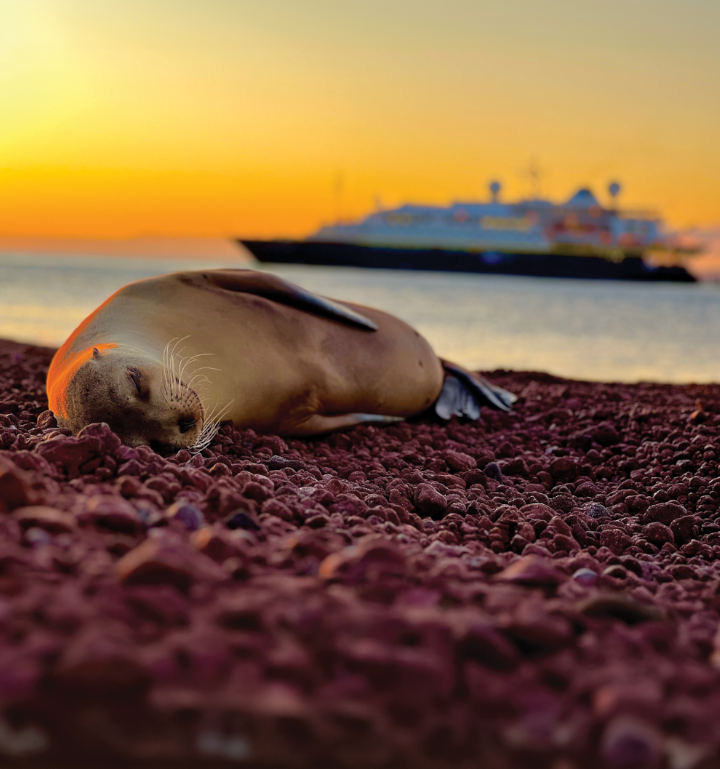
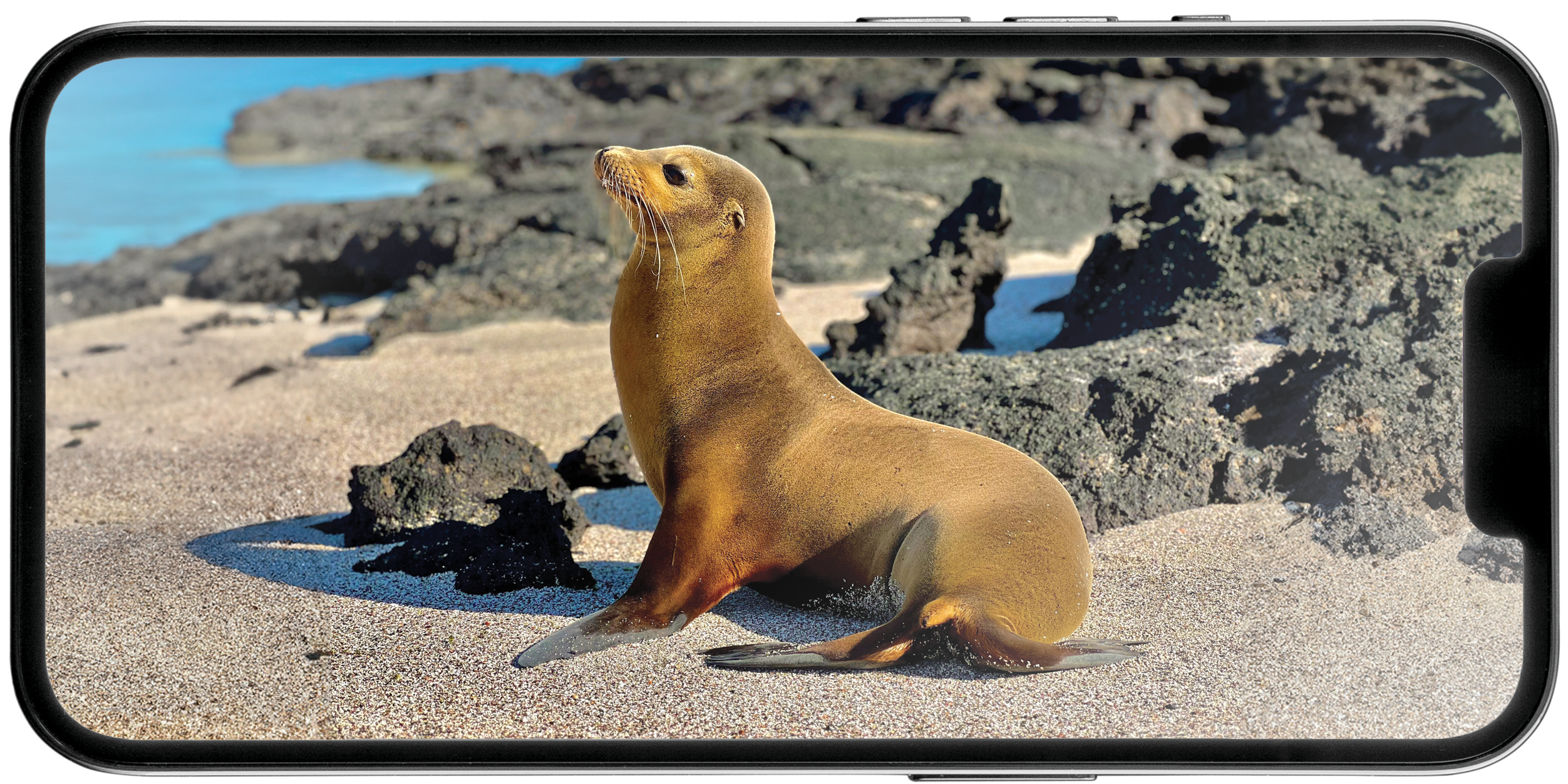
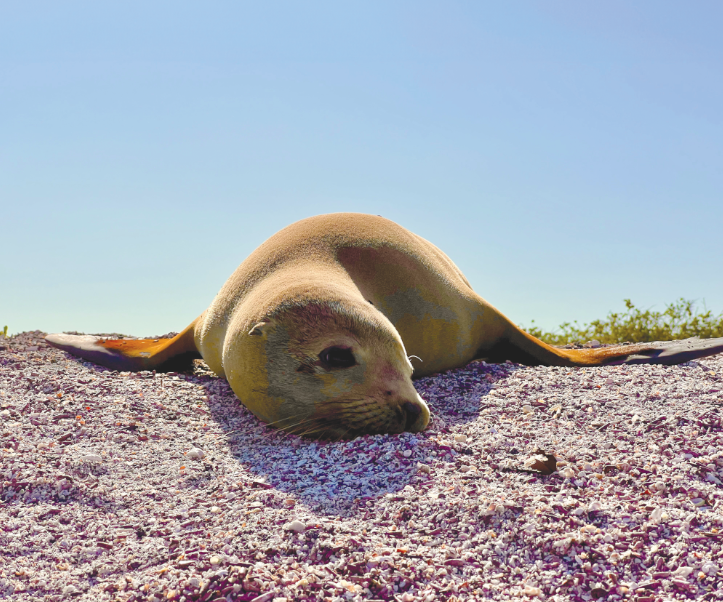
Something I learned: You could say that Galápagos sea lions are mama’s boys. During their first couple of years of life, male sea lions are more reliant on their mothers for milk and protection than their sisters.
*See important eligibility information at the bottom of page 1.
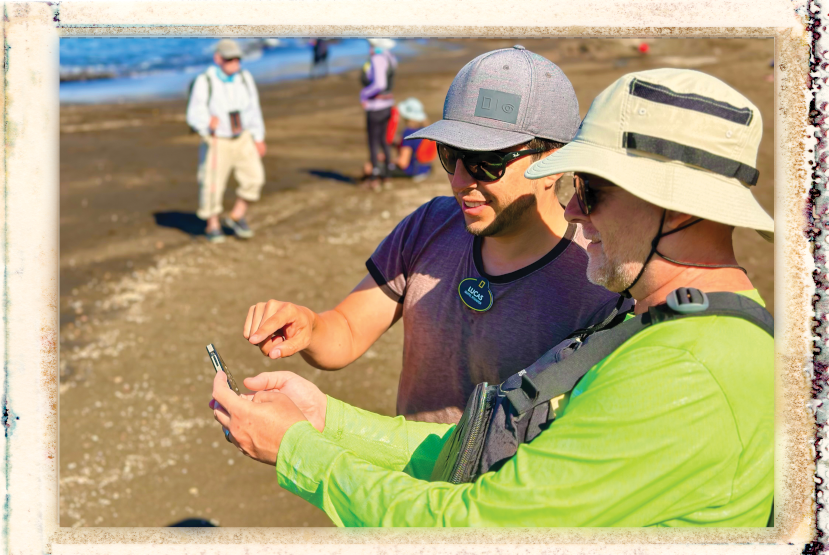
National Geographic Photography Expert Lucas Bustamante, left, teaches Disney Files Magazine Editor Ryan March to use his phone’s advanced camera features, enabling Ryan to capture the images seen throughout this feature.
I did bring a friend – my college buddy Jeff, so the better question is, “Who’s going with us?” And the answer is a big part of the appeal of these expeditions.
“Explore with the most experienced team in expedition travel” proved to be more than just marketing. With us onboard the National Geographic Islander II (more on the ship in a moment) was an incredible team of local experts, including our Expedition Leader, Naturalists, Certified Photography Instructors, Undersea Specialists, Cultural Experts, Historians and more (just about all of them grew up on the Galápagos Islands and/or in mainland Ecuador, giving them a lifetime of local knowledge to share), along with all of the dedicated crew members you’d expect to find on a cruise ship, from servers and stewards to deckhands and engineers.
Oh, and there were other guests, of course. But we’re not talking thousands. We aren’t even talking hundreds. Think more in the ballpark of 50 guests and an equal number of crew members. (Some National Geographic-Lindblad Expeditions cruises accommodate as few as 16 guests.)
That’s just one of the ways this experience differs so dramatically from cruising on a giant ocean liner. These expeditions are, by design, intimate, shared experiences.
Just how much you share your experience is up to you. Early in the voyage, for example, mealtimes and cocktail hours onboard found Jeff and me seated at our own table for two. But we sometimes chose to sit with others, raising a glass with our fellow explorers or breaking bread with a National Geographic Expert.
If you’ve sailed with Disney Cruise Line, you probably bonded with your dining room servers. And maybe your favorite bartender. (No judgement.) Imagine creating that kind of relationship with everyone onboard – guests and crew alike. Disembarking after the expedition (with tour guides seamlessly leading the way to and through airports, just as they did at the start of the trip) felt less like the end of a vacation and more like the last day of summer camp, saying goodbye to friends.
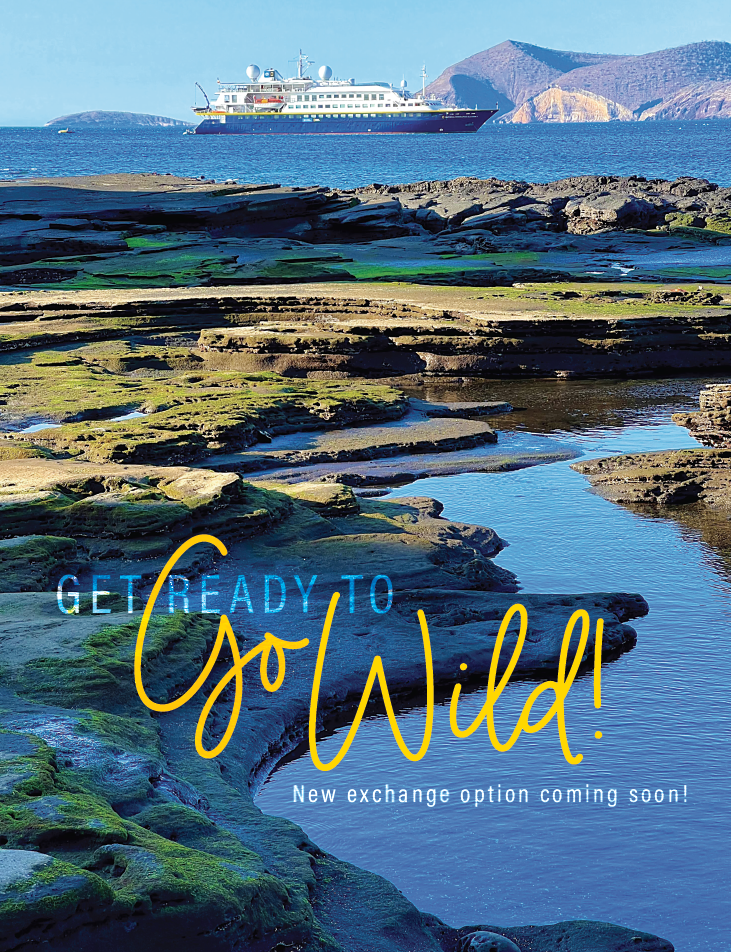
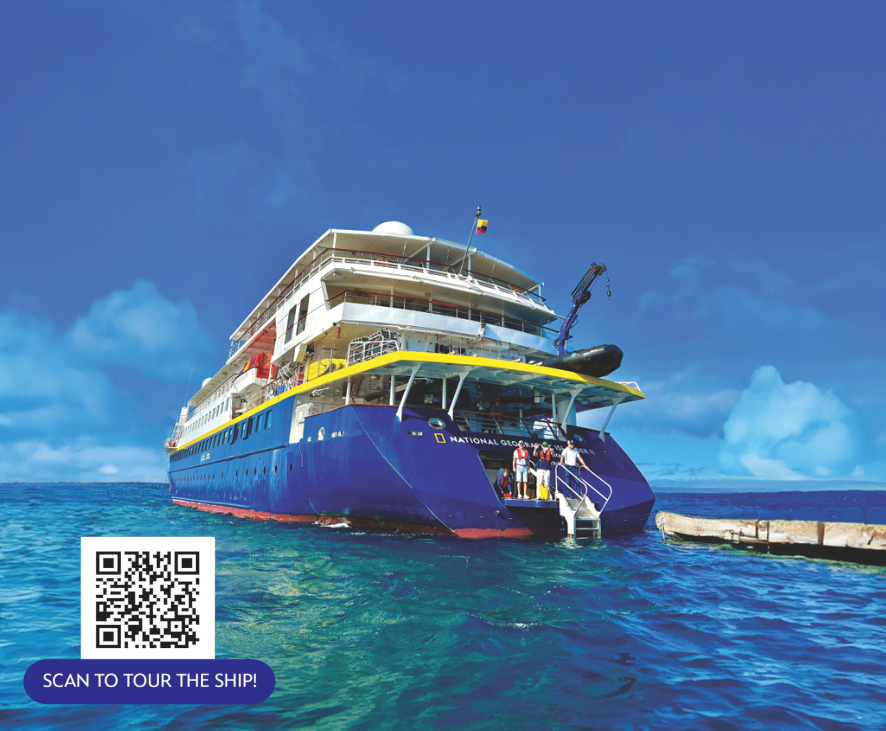
As mentioned earlier, we sailed on the National Geographic Islander II, a 280-foot-long vessel purpose-built for exploration. (For comparison, the Disney Wish ship in the Disney Cruise Line fleet measures 1,119 feet in length.) While the ship’s size is just small enough to comply with local regulations, it’s also too big to dock at the islands (most of the islands don’t even have docks, and only a few have human residents). So it’s equipped with a fleet of Mark V Zodiacs – inflated, motorized boats that each transport 8-10 people between the ship and its numerous destinations. More than just transportation, those Zodiac rides became some of my favorite daily experiences. Whether we made a dry landing (allowing us to step directly from the Zodiac onto the shore) or wet landing (stepping into the shallow sea and walking ashore), arriving on a vessel that’s more “raft” than “ship” made me feel like a member of the Swiss Family Robinson…if the Robinsons had just enjoyed a chef-prepared eggs benedict breakfast with a side order of Pan de Yuca (Ecuadorian cassava bread that Jeff took to like an iguana to a hot rock).
Other versatile vehicles onboard include kayaks, stand-up paddle boards and a custom-built, glassbottom Zodiac that allowed us to see beneath the sea on days when Jeff and I were among those who deemed the waters too cold for snorkeling. (We did snorkel in warmer weather, so our level of shame, like our tolerance for cold, is rather low.)
As for the ship itself? It features the breezy indoor-outdoor Patio Café (used mostly for breakfast and lunch); the casually elegant Yacht Club dining room (where dressing up for dinner is neither necessary nor expected – it’s an expedition, after all); a Cove Lounge used each evening for insightful briefings (more on those soon), a library stocked with books for borrowing, a Global Gallery gift shop for locally sourced, artisan souvenirs (part of a commitment to supporting the local economy) and a fantastically functional “Marina” room for storing – and changing in and out of – wetsuits (we’ll touch on wetsuits and other gear in a bit).
Staterooms are exceptionally well appointed. Ours featured a pair of twin beds (which can form a queensize bed for couples), a sofa, a double-vanity sink, a surprisingly spacious shower and more.
Add an onboard Science Hub lab space (particularly popular among the small handful of kids on our voyage), a plunge pool, an observation deck with Ecuadorian hammocks, an outdoor bar for special gatherings and more, and you have a ship that miraculously manages to feel equal parts elegant and adventurous.
But don’t take my word for it. Scan the QR code below to embark on an approximately 3-minute, virtual tour of the stunning ship.
In a word…amazing. Prepared by chefs inspired by the very places we explored, the food throughout the trip proved to be a core part of the overall experience.
Breakfasts in the Patio Café featured a consistent mix of buffet offerings (everything from traditional bacon, eggs, potatoes and pancakes to fresh fruits, cheeses, cured meats, juices, cereals and other familiar staples), along with made-to-order items (egg omelets, for example) and daily specials that introduced us to an array of traditional Ecuadorian dishes. (Did I mention how much Jeff loved the Pan de Yuca?)
Patio Café also was home to most of our onboard lunches (one traditional Ecuadorian lunch – my favorite of the sailing – took place in the ship’s casually elegant Yacht Club dining room). While breakfasts were largely self-service (though the attentive crew takes care of drinks), lunches were table-service, with servers leading us through a multi-course experience that gave busy days a welcomed midday break.
Dinners in the Yacht Club dining room perfectly punctuated the end of each day, with soup-and-salad courses followed by memorable entrees (each evening offered a trio of entrée options, including a fish option, another meat option and a vegetarian option) and specialty desserts.
All drinks are included in the price of the expedition cruise, including, not only juices and soft drinks, but also beers, wines and crafted cocktails. And this doesn’t apply exclusively to mealtimes and dining rooms. From cocktails at the Cove Lounge bar to bottled soft drinks and beers in self-service refrigerators, it’s all included. While there were some premium wines and spirits available for purchase, we stuck with the “already included” options and felt more than indulged.
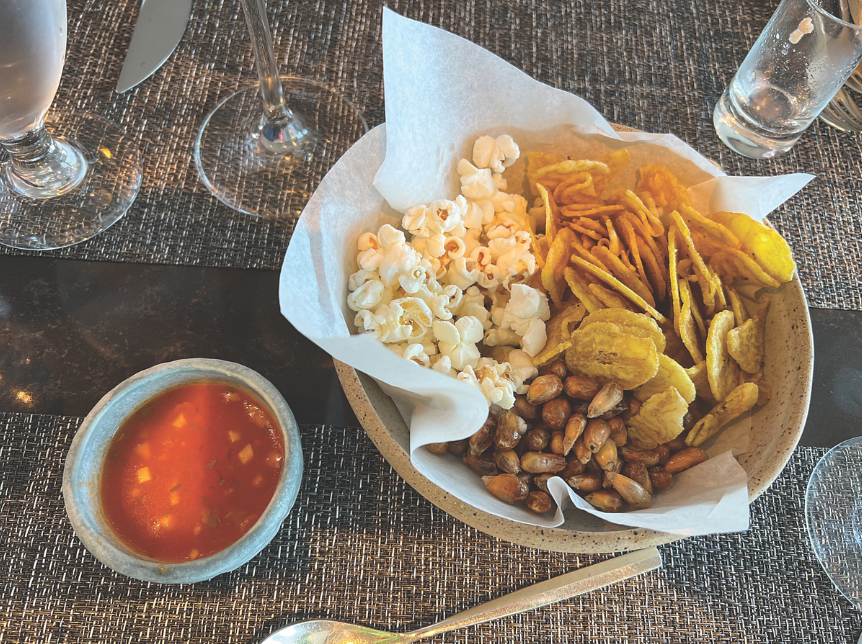
Oh, and one more note on the food. Many traditional Ecuadorian meals begin with a bowl of popcorn, fried plantain chips and crunchy corn kernels, served with a spicy pineapple dipping sauce. We enjoyed these savory snacks on multiple occasions both on the ship (pictured below) and off, and I’ve been craving it every day since.
While there was a pretty consistent cadence to each day – breakfast, Zodiac ride to and from our morning destination, back onboard for lunch, Zodiac ride to and from our afternoon destination, insightful briefing and dinner onboard, collapse in bed – part of what makes the Galápagos so special is the islands’ dramatic diversity, and no two days were exactly alike.
One day found us exploring the lush green highlands of Santa Cruz, where giant tortoises roam, while others found us snorkeling with sea turtles and sea lions along rocky shores or hiking across arid, lavarock landscapes with marine iguanas. (As for my earlier question about hugging sea lions, the answer, obviously, is no. Local law wisely mandates giving wildlife 6 feet of space. Though I have to say, when you’re facing a sea lion, 6 feet is really close.) Most days found us enjoying lunch aboard the ship, while one standout afternoon included lunch at a picturesque ranch on the island of Santa Cruz, surrounded by those magnificent, meandering tortoises. Some days found us anchored off a single island all day, while others allowed us to explore a different island after lunch (one of the perks of sailing aboard such a nimble ship).
At the end of each day, somewhere between the afternoon “all aboard” time and dinner, we gathered in the Cove Lounge for briefings that began with specialty cocktails and passed appetizers (again, all included and all amazing), continued with expert presentations, served up a second round of drinks and appetizers (non-alcoholic beverage options also are available) and concluded with a rundown of the next day’s plans. Those plans were as nimble as the ship itself, with our Expedition Leader crafting flexible plans based on the latest conditions. As weather and wildlife don’t follow a scripted schedule, we appreciated having experts with us who could redirect the ship and alter our plans as needed to give us the best possible experience each day.
When I say ship attire is casual, I don’t mean “lose the jacket and tie” or “trade the high heels for flats.” I mean wear the kind of stuff you wore on your hike. As long as you don’t have bare feet (prohibited onboard for safety reasons), you’re probably good. On days when my hiking clothes were clean, dry and reasonably pleasant smelling, I stayed in the same outfit all day. Erring on the side of caution, I packed two outfits for each day, and several outfits returned home with me unworn. While most of my fellow adventurers packed in bags seemingly small enough to fit in a plane’s overhead compartment, I checked a large suitcase (leaving open space for souvenirs), and it fit nicely under my stateroom bed.
Some discerning travelers on our trip brought their own snorkels, masks and wetsuits, though most (including Jeff and me) used the complimentary gear available on the ship.
An “Expedition & Packing Guide” is among the handy documents you’ll receive in advance of your trip to help you prepare. I highly recommend reading each of the materials you receive – it’s as fun as it is informative.
One thing to note: temperatures in the Galápagos may be quite different from those where you live, so be sure to check the weather for your travel dates. I, for example, left the humid high 90s of Central Florida for the delightfully low 70s of the Galápagos during its “cool and dry” season, which typically runs from JulyDecember.
Like so much of this experience, it’s really up to you. I brought aboard, in addition to my smartphone, an SLR digital camera with a detachable lens. A few others brought even fancier cameras, with lenses that probably cost more than my car.
While using my SLR camera made me feel like a “real photographer” on day 1, I ended up choosing to keep it packed away in my stateroom after that first full day. Not only did I find it a bit cumbersome to carry, but thanks to the guidance of onboard photography experts, I quickly discovered that the camera on my phone could do far more than I knew.
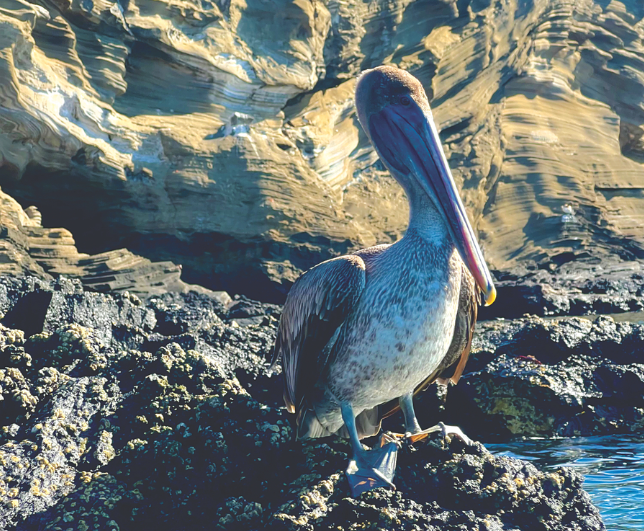
Every photo you see in this story was shot by me on my phone, under the helpful guidance of those experts (except for the shot of me receiving photography instruction, which was taken by Jeff). I am a novice photographer, and I was delighted with the images I captured using the same device I used to post on Instagram and text my wife (the ship has great WiFi, including a base package available at no additional cost).
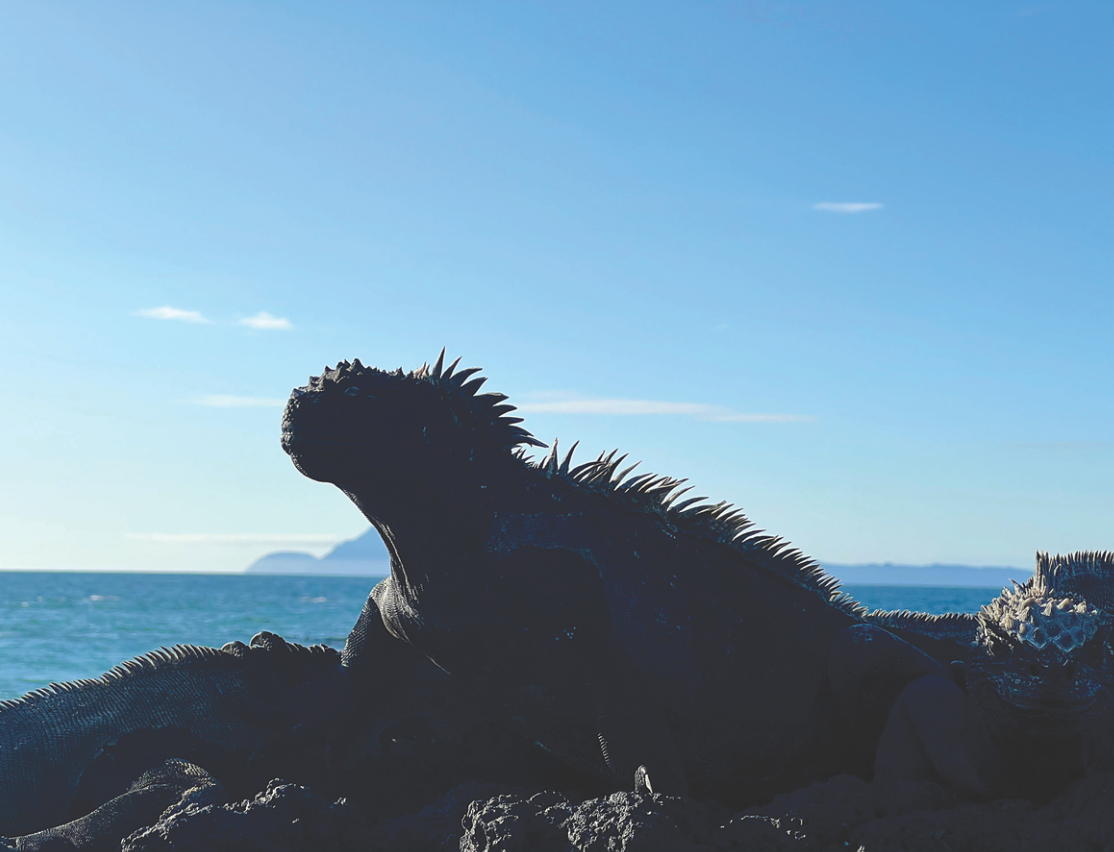
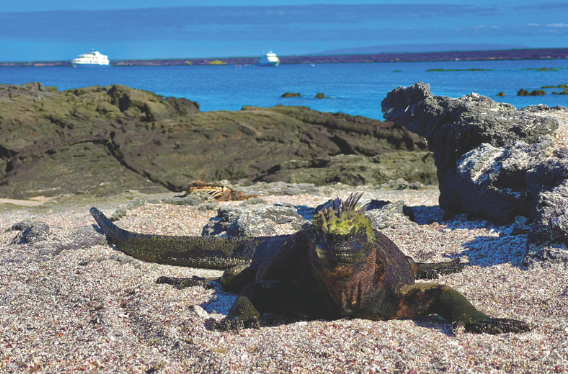
Something I learned: While these marine iguanas may look fierce, they’re actually gentle herbivores, surviving almost exclusively on underwater algae and seaweed. Their dark gray scales work almost like solar panels, absorbing enough energy to power the creatures through their frigid swims in search of food.
Fortunately for me, it turns out you don’t have to be as fit as a Navy Seal to enjoy this experience. Still, it’s a highly active trip.
The aim of these expeditions is to foster an environment in which explorers can develop meaningful connections with the amazing world we share. Expedition organizers believe (and I would agree) that the best way to do this is to get up close and personal with these wonderfully wild places. That means hiking over often uneven terrain, paddling kayaks against ocean currents, balancing on paddle boards and/or snorkeling in the deep sea. Daily itineraries are designed to be “fitness inclusive,” meaning you can choose each day from leisurely and more intense options depending on your ability or preference. It’s always up to you.
That said, if your ideal vacation involves sleeping in and seeing the sights through the window of a tour bus, this isn’t that kind of vacation. If, however, you’re up for playing a more active role in your own true-life adventure, getting closer to nature than you ever dreamed possible, I simply can’t imagine a more fulfilling journey than the one I just enjoyed.
More details about National Geographic-Lindblad Expeditions cruises will appear at disneyvacationclub.com (Destinations, Disney Experiences, National Geographic Expeditions) as soon as those experiences become available to eligible* Members using vacation points. Plans call for that to happen sometime in 2025, so keep an eye out. In the meantime, you may visit that same page of the website now to learn about “Signature Land Expedition” options already available to eligible Members through National Geographic Expeditions, including itineraries in Africa, Asia, Australia, Central America, Europe, the Middle East, North America, South America and the Polar Regions.
*See important eligibility information at the bottom of page 1
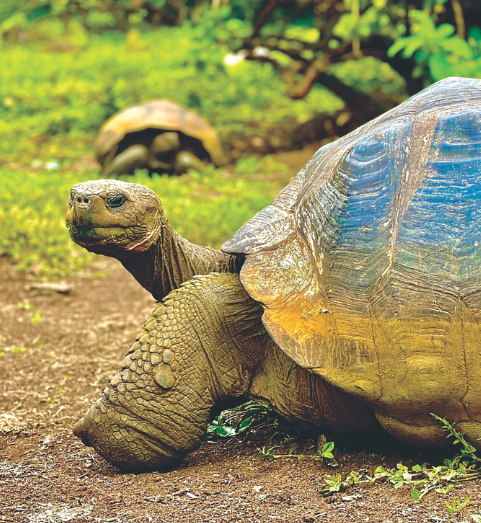
Something I learned: Spanish sailors, who discovered the Galápagos Islands in 1535, named the islands after the giant tortoises that call the islands home. “Galápago” is Spanish for “tortoise.”