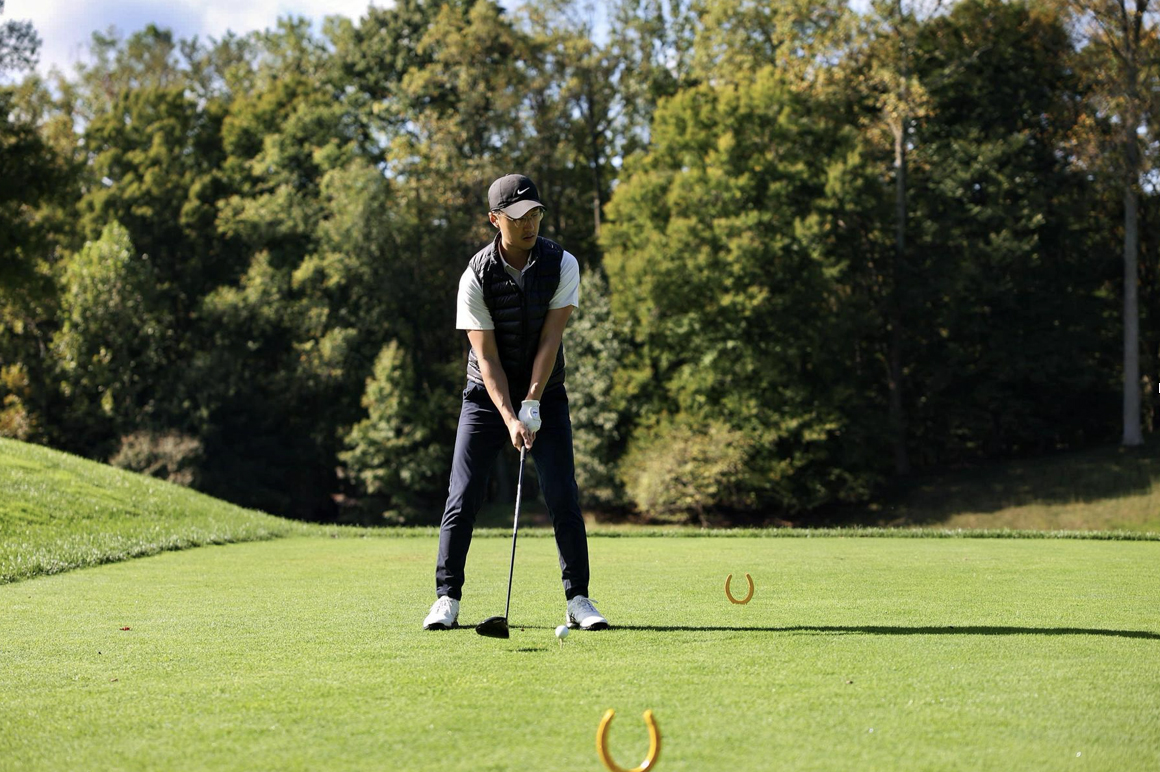
Imagine stepping up to the first tee box, energized and focused. You take your backswing, transition into the downswing and suddenly a sharp jolt strikes the outside of your elbow. Your grip weakens, your shot sails out of bounds and you’re instantly reminded: this round could get ugly if the pain doesn’t subside.
That sharp, nagging pain is often lateral epicondylalgia, better known as tennis elbow. Despite its name, it’s a frequent issue for golfers, especially those with poor swing mechanics, overactive grip and/or lead-arm overuse. The culprit is usually degeneration at the extensor carpi radialis brevis (ECRB) tendon origin, resulting in local pain, weakness and frustration.
But here’s the mistake most people make: treating the elbow in isolation.
Emerging evidence supports a regional interdependence approach, understanding that dysfunctions in the neck and/or shoulder girdle often contribute to elbow overload. Dunning et al. (2024) found that spinal manipulation to the cervical produced significant improvements in grip strength and pain for lateral elbow patients, likely via neurophysiologic mechanisms and central pain modulation.
Complementing this, dry needling with electrical stimulation is another powerful intervention. Targeting the ECRB and surrounding musculature, it helps reduce local nociception, restore muscle function and increase circulation. When paired with movement correction and swing-specific analysis, results are faster and longer-lasting.
For the golfer, pain at the elbow is more than discomfort—it’s a performance threat. A focused, evidence-based strategy addressing both local and regional dysfunction is key to restoring swing confidence and pain-free play.
Success also depends on having the right team in your corner. Whether it's your swing coach or rehab specialist, surrounding yourself with qualified collaborators is essential, not just for pain relief but for maximizing performance.
As President of Impact Rehab, P.C. – Performance Physical Therapy and Wellness and Chief Clinical Officer at Peak Golf Institute, I work with golfers ranging from weekend warriors to golf professionals. What they all share is this: when pain affects performance, it must be addressed systematically, not symptomatically.
Dr. Justin Ham is a fellowship-trained Doctor of Physical Therapy and an osteopractor with advanced specialization in orthopedic manual therapy and golf performance. As President of Impact Rehab, P.C. – Performance Physical Therapy and Wellness, and Chief Clinical Officer at Peak Golf Institute, he integrates clinical precision with sport-specific insight to optimize recovery and elevate performance.