IMMERSIVELEARNING
Effective sales training is not merely about delivering information — it’s about fostering a culture of growth, adaptability and understanding. This was tested during Incyte’s national sales meeting last winter in Arizona. While our goal was clear — to improve key selling skills, enhance participants’ understanding of the patient journey and collect meaningful data measuring knowledge and ability — the experience revealed unexpected insights that reshaped our approach for subsequent meetings.
Inspired by the “Grand to Grand Ultra” race, Incyte partnered with Custom Learning Designs (CLD) to create an immersive and experiential workshop experience where participants rotated through two separate arenas, each with focused and targeted activities.
In one, participants honed specific selling skills (such as objection handling and delivering sales calls) at gamified stations where points were tallied and displayed on a leaderboard at the front of the room.
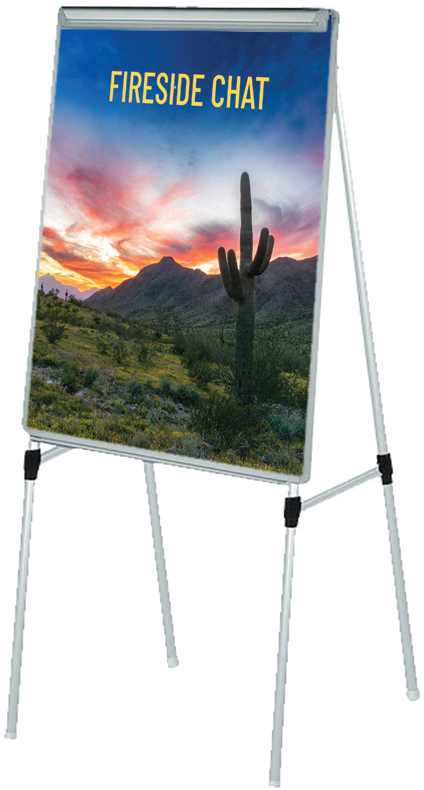
In another arena, participants rotated through stations highlighting patient-centric elements, including vignettes bringing to life the challenges of patients with atopic dermatitis. Snapchatlike filters were used to show how vitiligo would impact participants’ appearance, and key takeaways were shared in a “fireside chat.”
Given that Incyte was two years post-launch and anticipating increased competition, we aimed to revitalize the sales force and collect metrics throughout to identify strengths and areas of opportunity for future upskilling. Metrics were gathered using pre- and post-meeting anonymous surveys (with individualized goal setting), quizzing via a gamified platform and rating scales and checklists for verbalizations entered into a scoring app, which updated aggregate team scores in realtime.
Rating scales focused on specific selling skills, and sales call elements such as:
Opening and probing to engage and reveal insights.
Uncovering and handling objections.
Incorporating selling strategies.
Fluency in clinical data.
Post-workshop feedback gathered from participants as well as leadership was overwhelmingly positive. A deeper dive into representatives’ aggregate performance ratings and manager (facilitator) provided feedback that revealed an unexpected outcome: Despite a solid grasp of clinical data, many representatives struggled to craft engaging opening statements and probing questions.
Many were relying on familiar openers like, “How’s everything going with our drug?” which typically resulted in brief exchanges that failed to advance the conversation. Without engaging opening statements and probing questions, the representatives didn’t know where to go with the conversation and struggled to make content that they’d shared with HCP customers before feel personalized, relevant and engaging.
This realization marked an important shift in our approach when planning our next meeting.
To address this, we shifted our focus of the summer plan of action meeting by dedicating 75% of our agenda to workshops aimed explicitly at crafting effective openings and enhancing probing techniques.
The impact of these changes was significant. Managers reported that following the meeting, representatives were having more productive discussions with healthcare providers (HCPs) in the field, moving beyond surface-level interactions to explore deeper clinical discussions.
One manager noted after a ride-along, “We’ve never had better discussions with HCPs. [The representative] incorporated new opening statements and probing questions from the workshops, and it made a huge difference in our interactions.”
This experience brought to light several elements that any sales trainer can apply:
Establish a metrics collection strategy for your meeting: Metrics can sometimes reveal an unexpected reality and opportunity for training, where perception may lead you to overlook these opportunities.
Don’t overlook fundamentals: Opening and probing skills may seem basic, but they are often the foundation for effective sales conversations. Regularly revisiting seemingly basic skills ensures they remain sharp and fresh.
Foster a culture of continuous learning: Training shouldn’t be a one-off event. It’s essential to keep skills fresh through ongoing practice and reinforcement to combat the Ebbinghaus Forgetting Curve.
Embrace humility: Acknowledging that there’s always room for improvement takes humility. As one manager noted, “It takes a lot of humility and true understanding to want to do what’s best for the field.”
Success often requires us to question our perceptions. As trainers, we need to ensure our teams have not just knowledge but also the skills to connect meaningfully in their conversations.
Ashlie Passen is the commercial strategy alignment director at Incyte. Connect with Ashlie and the Incyte team through https://www.linkedin.com/in/ashlie-passen-669b7b3/.