As the summer sun stretches across Colorado’s sweeping landscapes, golf courses across the state are leading by example in water conservation. These public and private courses are are models of environmental responsibility with less than 1 percent of Colorado’s total water use going to golf - compared to agriculture’s 89 percent. Courses have taken significant steps to protect the state’s most precious resource while maintaining high-quality playing conditions.
Colorado’s golf industry follows science-based Best Management Practices (BMPs) to guide water use. These BMPs help superintendents apply water only when and where it’s needed, using the latest technologies and smart design strategies to reduce waste and improve efficiency.
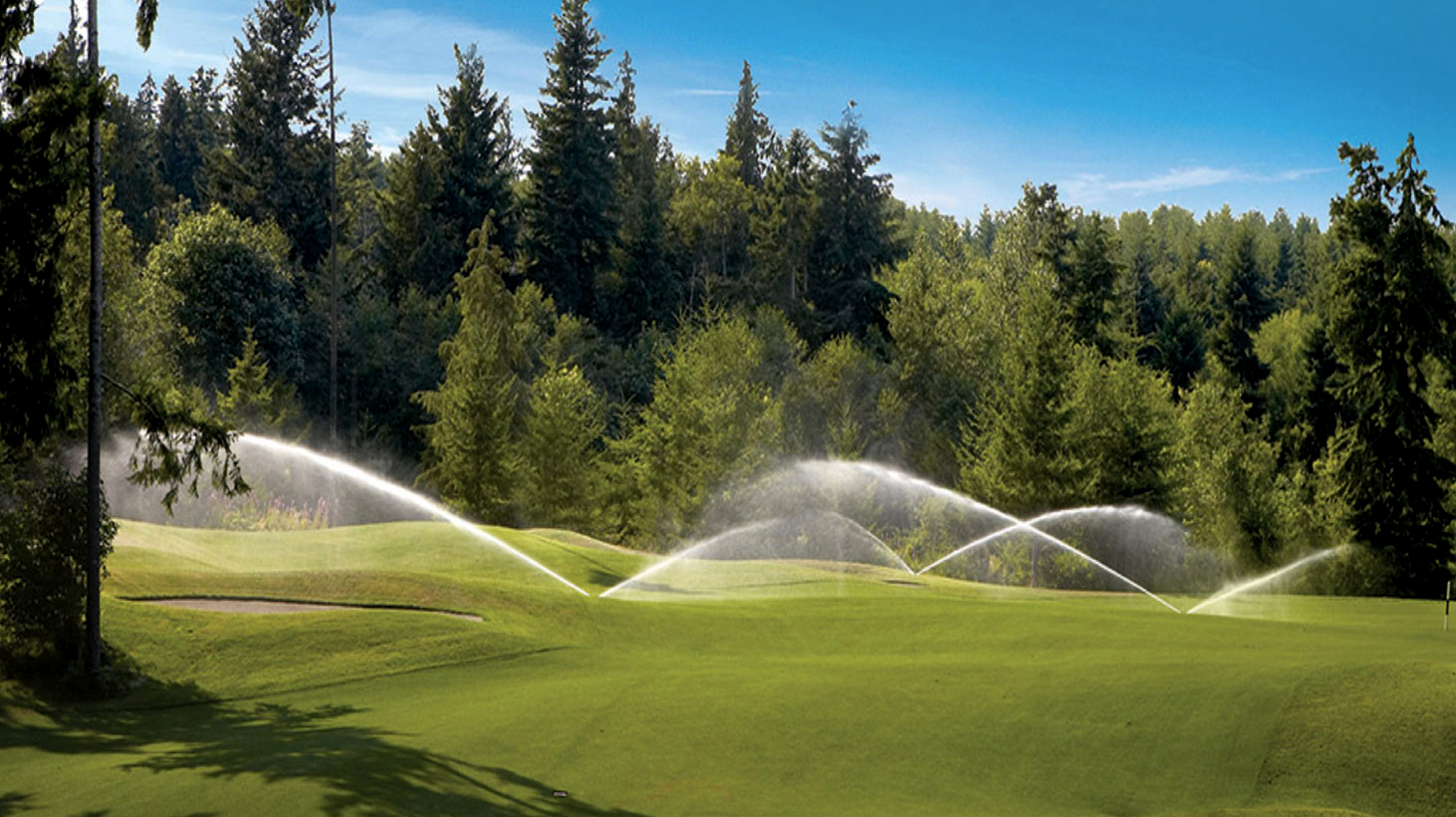
Precision starts with irrigation. Many courses use high-efficiency systems equipped with weather-based controllers, on-site weather stations, soil moisture sensors, and rain shutoff devices. These tools allow superintendents to irrigate based on real-time data - not guesswork - making every gallon count.
Irrigation zones are divided based on turf needs. Greens, tees, roughs, and fairways all require different approaches. Courses also monitor evapotranspiration (ET) rates, recent rainfall, soil moisture, and temperature extremes to adjust schedules accordingly.
Installing rain sensors to shut off irrigation after 0.25–0.5 inches of rainfall.
Using hand-watering on hot spots instead of running the entire system.
Scheduling irrigation in the early morning hours to minimize evaporation.
Colorado courses use a “target golf” design approach that prioritizes irrigating only essential play areas while reducing turf in non-play zones. This approach, paired with native plants and efficient turf maintenance practices, plays a major role in water savings.
More than 80 percent of Colorado courses incorporate drought-tolerant or native plants in landscaped areas. These plants thrive in local conditions and require little supplemental water once established. Mulching, proper mowing, aeration, and clipping return all help conserve moisture in turfgrass systems.
Some Colorado courses take conservation a step further by using treated effluent (reclaimed water) for irrigation. In 2018, 32 percent of Colorado courses used reclaimed water. In the Denver Metro Region, that number jumps to nearly 40 percent. Using recycled water reduces reliance on municipal or well water and shows how golf can contribute to a broader sustainability effort.
Each course begins with a plan. This includes maintaining up-to-date irrigation system maps, performing regular audits, and training staff on BMPs and system use. Many courses track water-use through meters and use the data to make ongoing improvements.
Calibrating sprinkler heads to ensure even distribution and avoid runoff.
Conducting irrigation audits to identify leaks, broken heads, or poor coverage.
Documenting water use and conservation progress over time.
According to the Colorado Golf Economic & Environmental Impact Report, water conservation is a high priority for the industry. Across the state, courses are working collaboratively to ensure they remain good stewards of land and water. Through smart irrigation, native landscaping, turf reduction, and water reuse, Colorado golf courses are proving that sustainability and playability go hand in hand.
It's golf, the Colorado way - resourceful, resilient, and always looking ahead.