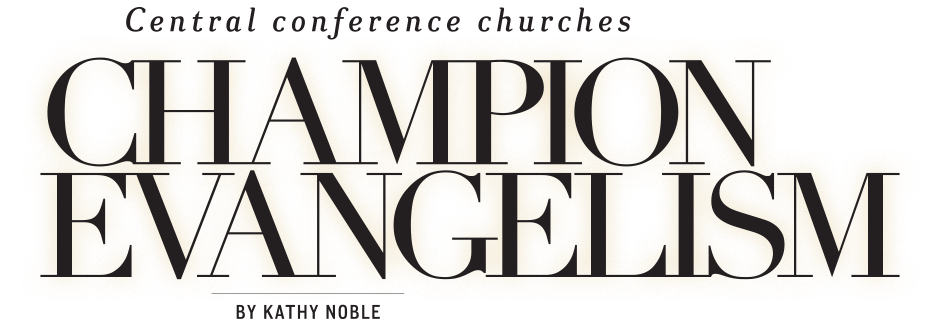
Margaret Kainwa leads worship music at the United Methodist church in Fulawahun, near Bo, Sierra Leone.
UMNS/MIKE DUBOSE
Margaret Kainwa leads worship music at the United Methodist church in Fulawahun, near Bo, Sierra Leone.
UMNS/MIKE DUBOSE
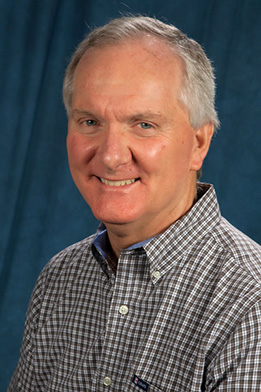
The Rev. Stephen Bryant
DISCIPLESHIP MNISTRIES
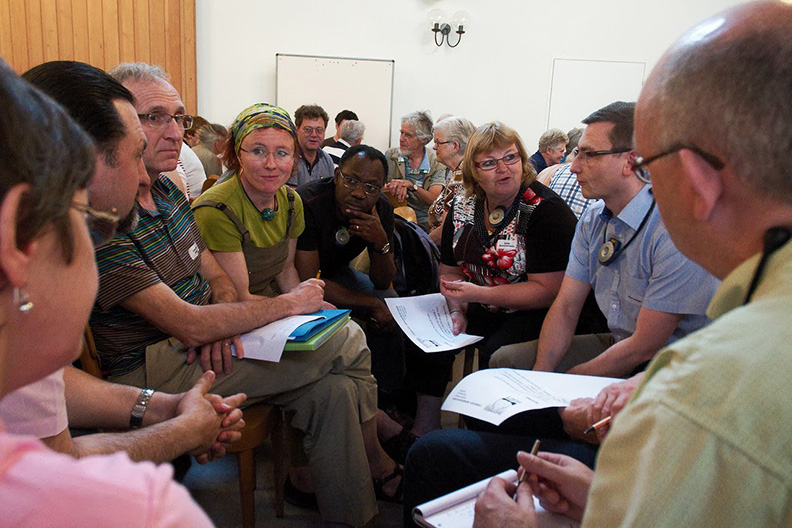
French-speaking members of the Switzerland-France-North Africa Annual Conference participate in a small-group discussion during the 2013 meeting.
SIGMAR FRIEDRICH
French-speaking members of the Switzerland-France-North Africa Annual Conference participate in a small-group discussion during the 2013 meeting.
SIGMAR FRIEDRICH
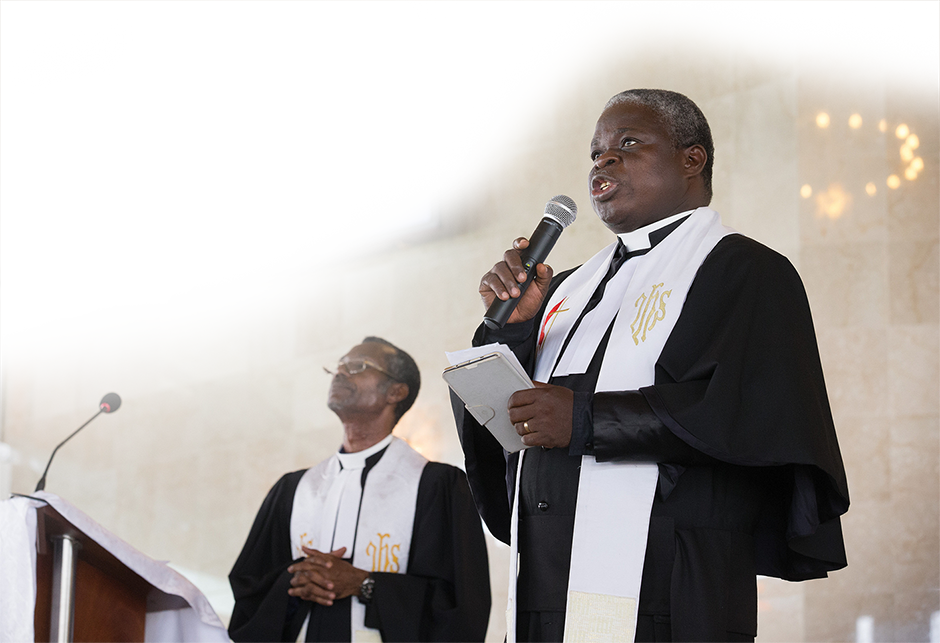
The Rev. Marcel Sachou (right) uses a video presentation during his messge at Temple Bethel United Methodist Church in Abobo-Baoule, outside Abidjan, Côte d’Ivoire. At left is the Rev. Esaïe M’Ye Gnamien, the district superintendent.
UMNS/MIKE DUBOSE
The Rev. Marcel Sachou (right) uses a video presentation during his messge at Temple Bethel United Methodist Church in Abobo-Baoule, outside Abidjan, Côte d’Ivoire. At left is the Rev. Esaïe M’Ye Gnamien, the district superintendent.
UMNS/MIKE DUBOSE
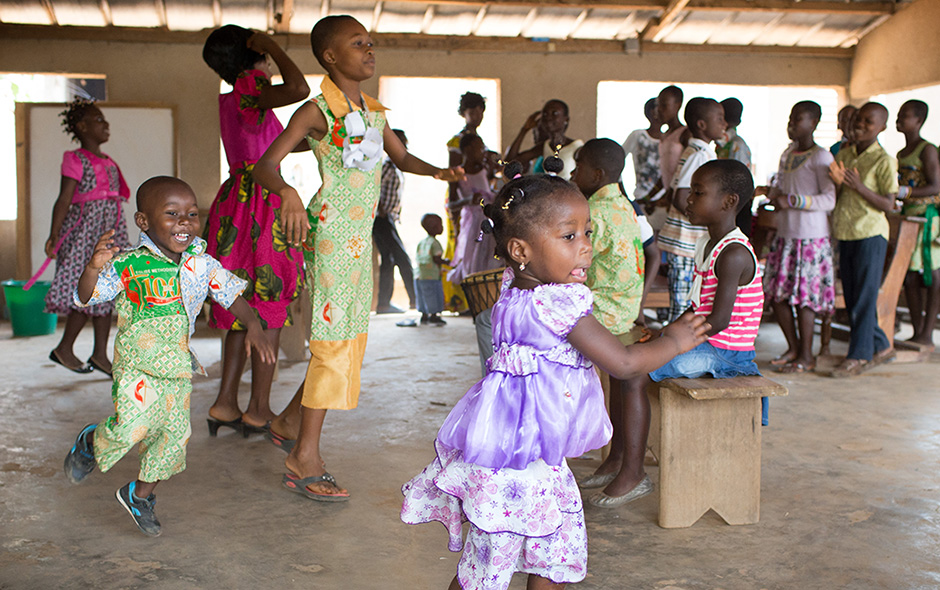
Children dance during Sunday school at Temple Emmanuel United Methodist Church in Man, Côte d’Ivoire.
UMNS/MIKE DUBOSE
Children dance during Sunday school at Temple Emmanuel United Methodist Church in Man, Côte d’Ivoire.
UMNS/MIKE DUBOSE
When United Methodists view membership trends for the denomination, it is easy for leaders in the United States to be challenged – even discouraged – while those in the central conferences seek ways to keep their numbers rising. Between 2003 and 2013, membership in the central conferences in Africa, Asia and Europe increased 4 to 212 percent, while the count in the United States decreased by 12 percent.
So what can United Methodists in the United States learn about evangelism and “discipling” from their brothers and sisters around the world? As associate general secretary for central conference relations and resourcing at Discipleship Ministries, the Rev. Stephen Bryant says he is “getting insight as to deliberate work we can learn from.”
In short, he points to how church leaders in Europe approach a secularized society, how evangelism permeates church life throughout Africa and how bishop-endorsed programs form disciples in the Philippines.
Know why faith matters
Young people in The United Methodist Church in the United States seek authenticity, relationships and space to ask tough questions (Interpreter, May/June 2015). So do those outside the church – if the experience of their peers in western Europe provides a model.
During a recent tour of vital churches in Europe, Bryant was “struck by several things that are very relevant for the U.S.”
He recalls the words of the Rev. Matthias Fakenhauser, a young pastor who is regularly among the wall-to-wall people in a coffee shop in Bern, Switzerland.
“In this work I am doing,” Fakenhauser told him, “if you can’t answer the question, ‘What difference does it make?’ don’t even go there.”
As people learn to share faith, they must be able to identify the faith to which they are inviting others.
“Finding a way to be in connection with another (is) not necessarily ministry or service, but finding ways to connect them to God,” Fakenhauser said.
The Rev. Marc Nussbaumer, a leader in the Switzerland-France-North Africa Annual Conference, developed a “great church” in a business center, Bryant says.
Nussbaumer brought several old congregations together to form a new one. The new congregation “unified and expanded” in numbers and ministry, using the old buildings as ministry centers. Based on his experience, Nussbaumer has written manuals for others “who want to be deliberate about revitalization,” Bryant continues.
As the United States becomes more secular, Bryant says, “There is lots to learn from some of the best efforts in Europe as they share the gospel in a way that’s really United Methodist.”
No division
In the United States, evangelism usually describes inviting and bringing people to the church, and “discipling” refers to forming Christians to grow and live more faithfully. In a number of countries he has visited in Africa, Bryant says, evangelism and discipling happen together, underscoring that evangelism is “related to everything the church does .... You cannot talk about the church without using the word. It is both bringing people to Christ and learning to love God and neighbor.”
Large events, cell groups and classes deliver invitations as do individual experiences with United Methodist institutions.
In Malawi, Bryant says, teams of United Methodists lead revivals that begin with setting up sound equipment in a field. As happened during John Wesley’s field preaching, the leaders “draw a crowd, preach, relate and do Bible study.”
In Côte d’Ivoire, only 2 to 3 percent of the population in some areas is Christian. They offer “an open field for us through evangelism and mission,” says the Rev. Marcel Sachou, an evangelist and supervisor in the church growth department for the annual conference.
Weekly campaigns begin with 10 people going to a village. Sachou says, “They start with one-to-one evangelism and by evening are in an open-air café, where they preach the gospel and invite people to respond. They pray for [sick] people. There are some miracles.”
Team members “live there; learn the community and the people.” Bryant says. “They are an incarnational presence that goes into the homes.”
The revivals are only one strategy “to call people to give their lives to Jesus,” says Sachou. Supporting those who respond in the campaigns is the Methodist Revival Movement. Ongoing groups include “20 people who are living in neighboring places, who go there to see each other and share burdens together.” Group leaders provide counseling, visit and pray.
Discipleship Ministries is making plans to help Sachou’s team develop a training program for the laity and clergy responsible for starting new churches in the frontier areas.
The Côte d’Ivoire church also uses soccer and the arts to reach out. Drama was “the very first strategy to present the gospel (to those) who don’t have Christ,” Sachou says.
Small group to preaching point to church
On Sept. 5, the church launched an effort to build “100 new temples. When we don’t build a church,” Sachou says, “they go to another comfortable place to worship without being disturbed.”
In Zimbabwe, section meetings – class meetings by neighborhoods – gather weekly for singing, teaching, conversation, dialogue, intercessory prayer and food. They both disciple those in the church and welcome new people.
Class meetings are essential, Bryant says. As the groups grow, new churches emerge. If the class meetings fail or are weak, the church loses strength as well.
In Sierra Leone, Ethel Sandy urges women “to be in continuous small groups, to reach out to more people. As the groups grow, they become preaching points, (and then) they become churches.”
A seminary-trained laywoman who describes herself as the “lowliest pastor” in a church of 900 in Freetown, Sandy teaches women “about God’s love and ways of making life better for themselves.”
Some of the women in her Bible studies “are Christians, but many more are becoming Christian. If you teach one how to be a Christian, then they ... teach others,” Sandy says.
Sandy also leads mission outreach and social justice efforts. A district leader of United Methodist Women, she helped the group work with the government to provide food and water during the Ebola crisis.
Improving life
“We also teach our women so they can work against sexual violence in their community,” Sandy says.
The campaign teams in Côte d’Ivoire also identify needs for clean water, medical consultation and food distribution, Sachou says. “Everything goes together as the mind is prepared to receive Jesus Christ. We should take care of the soul and the body.”
In Liberia, Bryant says, the 120 United Methodist schools are a “means of doing evangelism. Open to all people, (they) are major formational centers for (church members’) children and channels for others in the community to come into the church.” Medical ministries, missions and clinics also reach out.
In North Katanga, intertwining evangelism and community development “brings about wholeness (that) makes the church itself known and people want to be part of it.” Work with former child soldiers draws men to the church.
New congregations form in villages where pastors are charged to start a church. In one instance, Bryant said, 100 people were ordained and told, “Go back to your home area where you know people and begin to form a church.”
Christians in refugee camps also launch new faith communities. In the late 20th century, Bryant says, United Methodist refugees in the camps in East Africa created worship centers to “give each other strength.”
While membership numbers indicate successful efforts, challenges remain.
As church leaders in Tanzania and elsewhere encounter young people questioning old ways, they find it necessary to teach leadership and pass on history while sharing the gospel in ways that “keep it fresh and vital,” Bryant says.
Sachou describes a need for Bibles and formal discipleship training – and for generators and sound equipment to use at revivals.
Bishops lead discipling
Discipling through small groups is common across the world.
In the Manilla Area of the Philippines, Bishop Rodolfo Alfonso Juan created United Methodist Church Disciples of Christ (UMCDOC). He adapted a movement that originated in Latin America for “reaching out, bringing people to faith and forming them as disciples,” Bryant says.
Ten to 12 people who are intentional about discipleship engage in “a process of being together and learning together” and experiences called “encounters with God.” Everyone is expected to invite friends or work colleagues to the groups.
“As learning, praying and witnessing become a part of life, they move into the social justice ministries of the church,” he adds.
In the Baguio Episcopal Area, leaders of accountable discipleship and covenant discipleship groups take them to a certain level and then start a new group. Bryant says, “Some areas of the Philippines have gotten famous for rapid expansion.”
Small groups key
Wherever the church emphasizes making disciples, small groups are important. In the United States, Sunday school is traditionally the basic teaching and nurturing venue. The Sunday morning gathering in one church in Zimbabwe may have 500 people. The small group or class meeting is likely to happen during the week.
The class meetings or similar groups in many places both welcome and shape, Bryant says. Typically meeting in a home or backyard, the gatherings are “the church in that neighborhood. Neighbors are very willing to be a part of it. At the same time leaders are teaching, they are bringing in friends.”
The Rev. Kathy Noble is editor of Interpreter and Interpreter OnLine, www.interpretermagazine.org, publications of United Methodist Communications.