The Global Drought Monitor Portal
Drought is a global phenomenon, and a new tool for drought monitoring—the Global Drought Monitoring Portal (GDMP)—serves as both a clearinghouse for drought information and a platform to support drought monitoring and mitigation efforts around the world. Such a global drought information system (GDIS, www.drought.gov/gdm) has the potential to serve as an integrated and proactive global drought early warning system (GDEWS).
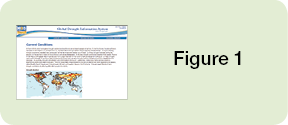
The creation of the National Integrated Drought Information System (NIDIS) Portal within the United States provided an opportunity to take the first steps toward building the informational foundation for GDEWS’s drought relief, recovery, and planning. The NIDIS Portal (Fig. 1) is a web-based information system created to address drought services and early warning in the United States, including drought monitoring, forecasting, impacts, mitigation, research, and education. This portal utilizes Open Geospatial Consortium (OGC) web mapping services (WMS) to incorporate continental drought monitors into the GDMP.
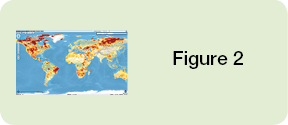
The GDMP depicts global drought conditions (Fig. 2) by integrating existing continental drought monitors. Because of the range of climates across the world and the diverse nature of drought and the sectors it impacts, the construction and functioning of each continental drought monitor need to be appropriate for the continent in question. The GDMP includes a suite of global drought indicators identified by experts and adopted by the World Meteorological Organization (WMO) as the necessary measures to examine drought from a meteorological standpoint. These global drought indicators provide a base to assist the global integration and interpretation of the continental drought monitors.
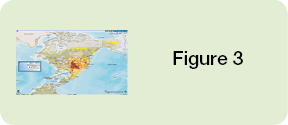
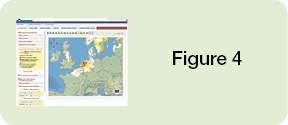
As of mid-2013, the GDMP has incorporated continental drought information and indicators for North America (North American Drought Monitor, Fig. 3), Europe (European Drought Observatory, Fig. 4), Africa (African Drought Monitor developed by Princeton University), and Australia (Australian Bureau of Meteorology), and interest has been expressed by groups representing Central and South America and the Caribbean, with coordination by appropriate parties in Asia also expected.
The structure and functionality of the GDMP currently has four parts. The first is an abbreviated monthly drought assessment along with a series of global drought indicator products, including the standardized precipitation index (SPI). They are meant to provide a global overview of drought conditions and to allow intercomparisons of drought across the world. Secondly, the GDMP includes an interactive map and data viewer that allows users to zoom all the way to individual stations to get a detailed look at drought in a specific location. The third part of the GDMP enables users to drill down to get a more robust suite of drought products and services than could be efficiently handled through a global interface. The drill-down capability allows users to pass from the global level to continents, nations, states, and even individual watersheds (where the capability exists) so decision makers at all levels can access the information they need seamlessly and efficiently. The GDMP’s fourth part is a general information section that includes details about those that participate, and which—when it is complete—will also include help and details about contributing. The GDMP has been designed so that additional sections can be added when new components of a GDIS/GDEWS become available.
The creation and maintenance of national and regional drought early warning systems (DEWS), as well as the creation and maintenance of GDEWS, remain a challenge. Inadequate data networks and data sharing as well as data and information products that are too complex are some of the hurdles that need to be overcome. While the GDMP itself is not able to undo these basic hurdles, it provides a mechanism for coordinated solutions that leverage existing technology and build upon the lessons learned from establishing the NIDIS.
The GDMP has been included in recent updates to the Group on Earth Observation’s (GEO) Work Plan (development of information systems for hydrometeorological extremes), and has benefited from substantial coordination with WMO on both its Global Framework for Climate Services and the National Drought Policy efforts. The GDMP is a recognized contributor to these activities.
An article detailing the Global Drought Monitor Portal has been published in a special collection on drought in the online AMS journal Earth Interactions.
—Richard R. Heim Jr. and Michael J. Brewer
Climate Monitoring Branch, Climate Services and Monitoring Division, NOAA/National Climatic Data Center, Asheville, North Carolina