Semiquantitative Analysis of Glass Fragments using Laser Ablation ICP-MS
Application Brief Forensic
Abstract
The 4500 ICP-MS equipped with a laser ablation system (LSX-100) was utilized to characterize and identify glass fragments from various sources. Rapid, semiquantitative analysis of the samples resulted in unique elemental "fingerprint" patterns that were used for sample identification. The method requires almost no sample preparation and sample consumption is limited. As a result, the remaining sample can be used to perform further tests if necessary.
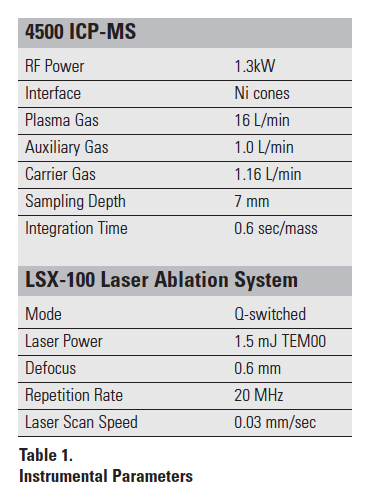
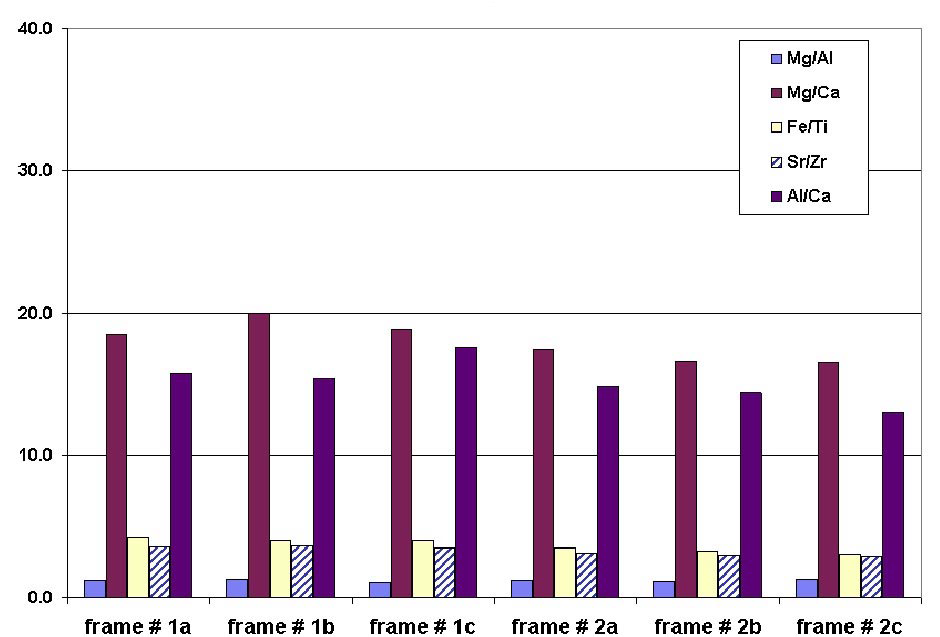
Figure 1. Sample-to-Sampe and Intra-Sample Reproducibility
Figure 1. Sample-to-Sampe and Intra-Sample Reproducibility
Figure 1. Sample-to-Sampe and Intra-Sample Reproducibility
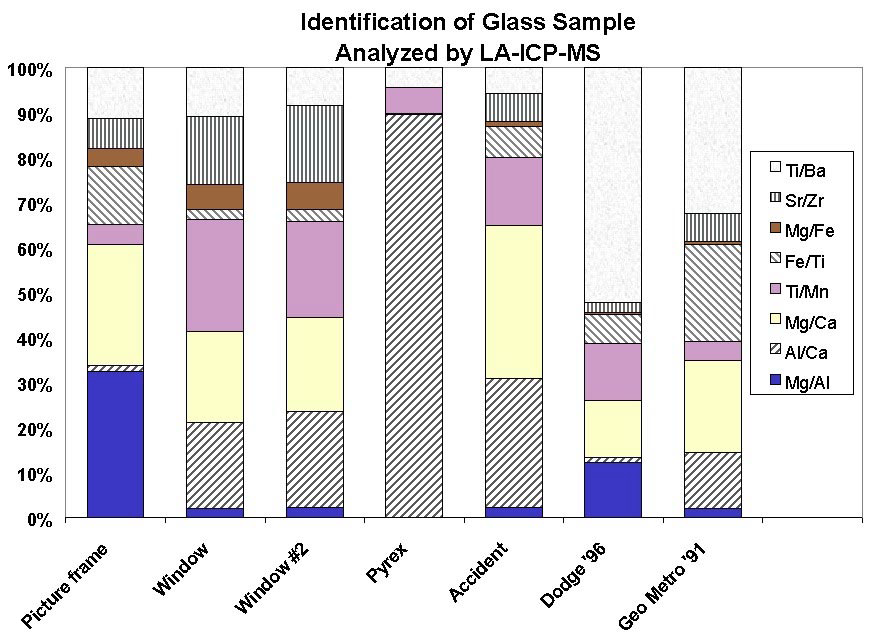
Figure 2. The Graphical Representation of the Elemental Composition of Glass Samples
Figure 2. The Graphical Representation of the Elemental Composition of Glass Samples
Figure 2. The Graphical Representation of the Elemental Composition of Glass Samples
Agilent 7693A Automatic Liquid Sampler
Agilent 7693A Automatic Liquid Sampler
Introduction
When examining a glass fragment in a criminal case, the point in question is the identification or exclusion of the glass source. Historically, forensic comparison of glass samples has been limited to the comparison of physical properties of known and questioned samples, principally by the measurements of refractive index and density values. Due to advances in glass manufacturing technology, the range of the refractive indices of modern glass is narrowing, thereby potentially resulting in an increase of false positives1. In this study, an LSX-100 laser ablation system was connected to a standard 4500 ICP-MS enabling the direct multielement analysis of glass fragments. The elemental composition of a glass sample is a combination of major components, minor elements intentionally added to molten glass to enhance its physical properties, and trace levels of other elements which were present as contamination in raw materials.
Methods of elemental analysis are gaining popularity as forensic tools. The main disadvantage of many of these techniques for the analysis of glass is the required sample preparation: digestion/ dissolution of the samples in HF. This sample preparation method is not only time consuming and requires extra safety precautions, but is also a destructive method, which in many cases may not be acceptable. LA-ICP-MS eliminates the need for extensive sample preparation, provides excellent detection limits, offers unmatched elemental coverage, and exhibits a wide dynamic range. An additional benefit of LA-ICP-MS is that the amount of sample used for a single determination is negligible and leaves the remaining sample available for further tests, if required.
Experimental
The 4500 ICP-MS was optimized using an NIST SRM 614 glass standard. The operating conditions for both the 4500 ICP-MS and the LSX-100 laser ablation system are listed in Table 1. Six glass samples of known origin were analyzed. The samples were washed with double distilled water, sonicated for 1 minute, and dried with isopropyl alcohol. The whole sample preparation process was less than 3 minutes. Three samples represented a class of flat glass: picture frame glass, window glass and a Pyrex glass from the laboratory. Three automotive glasses were also analyzed: 1991 Geo Metro, 1996 Dodge Avenger, and unidentified glass from the scene of an automobile accident.
Elemental ratios were used in developing the fingerprint patterns in order to eliminate variations in laser focus and in the extent of laser interaction with the sample surface. Another advantage to the use of elemental ratios is that quantitative calibration of the ICP-MS instrument is not required. However, if some estimate of the concentration were desired, then the semiquantitative analysis feature of the 4500 ICP-MS software allows for the determination of over 70 elements during a single analysis in approximately 2 minutes.
Semiquantitative analysis requires quantitative calibration with a single standard and a minimum of only three elements which are not necessarily the analytes of interest. Approximate concentrations for all remaining elements in the periodic table can than be determined. Of course, true quantitative analytical results can also be obtained, if required.
Two different pieces of glass from each source were analyzed in triplicate. From all the elements, which were determined, 9 were identified as providing a distinct elemental fingerprint for the glasses examined: aluminum, barium, calcium, iron, magnesium, manganese, strontium, titanium and zirconium. The results, given in Figure 1, show excellent reproducibility between replicate analysis of a sample of glass from a picture frame (replicates a, b, and c) as well as between two different fragments of the same glass (frame #1 and frame #2). The results of the analysis of the six glasses are shown in Figure 2. Note that each sample has a distinct, identifiable elemental fingerprint pattern. A second fragment of the window glass (Window #2) was analyzed to once again confirm the unique nature of the fingerprint pattern and the reproducibility of the analysis.
Reference
1 J.A. Buscaglia, Analytical Chimica Acta, 288 (1994) 17-24