Sidebar
A Digital Wallet Versus a Mobile Wallet
Sidebar
A Digital Wallet Versus a Mobile Wallet
Sidebar
A Digital Wallet Versus a Mobile Wallet
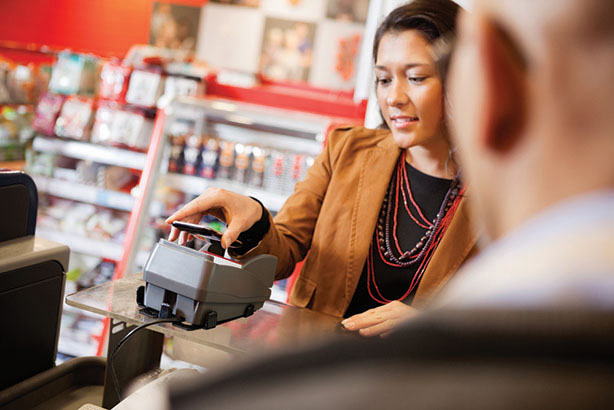
After they find the item of their dreams, consumers desire a simple checkout process. “Consumers want a frictionless buying experience,” explains Christian Lunoe, senior client service analyst at comScore. They want purchasing to be as quick and easy as possible; they do not want to enter a lot of information or stand idly by as payment information moves from place to place.
Mobile wallets offer that potential. Customers simply point their phone at the payment system and walk away a few seconds later. But what if buyers do not like using their phone or want to quickly purchase an item after browsing a Web site on their PC?
Here, they may be able to use a digital wallet. How do digital wallets, which made their way onto the scene at the turn of the millennium, differ from mobile wallets? E-commerce payment giant PayPal offers consumers a few ways to securely pay for goods online.
PayPal lets users link their bank accounts, debit cards, and credit cards directly to one online account. When shopping, the consumer opens his wallet and chooses to pay directly from his digital PayPal account or with debit or credit cards. All of the user’s payment information is available in one place.
Also, the retailers from whom they’re buying never receive the consumers’ credit card information directly. PayPal pays the vendors and the PayPal users pay PayPal. The electronic financial services company makes its money from merchants that pay the company monthly fees and transaction costs so consumers can use the payment system on their Web site.
A mobile wallet has similar capabilities. The key difference is the consumer only pays with a smartphone. If he is using a PC or a laptop, he cannot access his payment information. —P.K.