
2015 Will Be The Year of The Highly Optimized, Process-Driven Sales Force
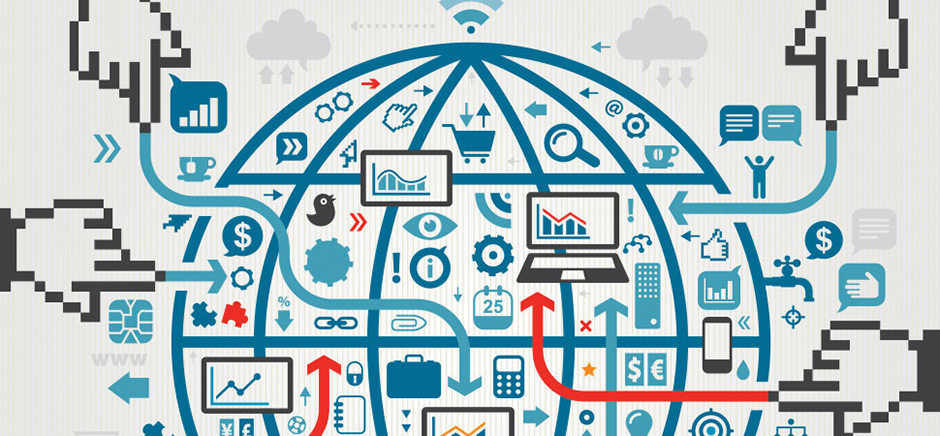
As big data, analytics and social networks reach maturity, applications built on these increasingly solid foundations will become much more effective — empowering sales reps in new ways.
As big data, analytics and social networks reach maturity, applications built on these increasingly solid foundations will become much more effective — empowering sales reps in new ways.
The Million Dollar Opportunity for Sales Teams Using CRMs
Sales CRM users are considered to be among the savviest customer-focused companies. But what if I told you a surprising number of sales leads go unanswered by these firms?
Velocify recently secret shopped dozens of companies that are advertised as successful sales users of top CRM software solutions. We filled out online requests for demos and quotes on their websites and evaluated how quickly each company responded by phone and email. We also tracked how many contact attempts they made before giving up in trying to reach us. While CRM users (the subjects of this study) where faster at contacting leads by phone and email when compared to other groups we’ve secret shopped, their performance relative to buyer expectations and best practices left much to be desired.
In fact, what we found was that a staggering percentage of companies failed to follow-up with online buyers. In fact, 29 percent of online buyers never received a phone call, 27 percent didn’t receive a response by email and a shocking 13 percent of leads received no response of any kind despite their request – not a single email or phone call.
To put this last statistic in perspective, let’s just say your company generates 100,000 leads per year on average. If 13 percent of your leads go unanswered, that would mean 13,000 leads wasted, annually. If your sales team was converting at a seven percent lead-to-close rate, that translates into 910 additional deals that could have been had, but weren’t. Multiply this by your average deal size and you’ll quickly see how much this problem (or opportunity, depending how you look at it) is worth. Possibly a million dollars plus of additional revenue just waiting for you to scoop up.
By Nick Hedges, President & CEO, Velocify
Sales organizations will experience major changes in the coming year, most of all in the way sales reps handle their day-to-day activities. As big data, analytics and social networks reach maturity, applications built on these increasingly solid foundations will become much more effective and user-friendly, changing the workflow for the person doing the selling. 2015 will be the year that the benefits of sales technologies extend from sales managers to sales reps, allowing individual sellers to focus more on communication and engagement and less on manual tasks and administrative processes.
The transformation of selling based on new tools will be felt throughout sales departments in 2015, and it’s impossible to predict where the greatest changes will take place. However, there are a few innovations that I think will be especially transformative in the coming year:
1. Automated Coaching Advice That Sales Reps Actually Listen To
Most sales technologies have been designed to give sales managers insight into the performance of their teams, which managers use to guide individual sales reps and set overall goals and priorities. However, we have recently started to see more applications and CRM systems provide direct coaching to sales reps — on which lead to follow up with, when to reach out and how to engage a prospect. While some of the earlier attempts at automated coaching often failed to provide meaningful advice to sales reps, newer machine-based recommendations are now actually improving conversion rates and productivity.
Much of this progress comes down to advances in big data collection and analytics. Data-driven answers to sales questions used to take much longer to deliver, and could only address broader trends across the organization. But as analytics systems get smarter and more user-friendly, sales reps will be able to get advice they can use in real time, driving real results. As sales reps receive more process-oriented advice from applications, sales managers will be able to focus more on teaching the art of selling rather than monitoring call volumes and communicating outreach plans.
2. Social Proximity Redefines How Leads Are Handled
Technologies that leverage social networks and other personal data to improve sales will reach a tipping point in 2015. Today, more than 70 percent of adults use social networking sites, and higher earners are even more likely than their peers to use social media. In addition, advanced marketing automation tools harvest a variety of data on individual leads that can easily be passed on to the sales rep.
This will have the greatest effect on how sales organizations distribute leads, disrupting the older approach that assigned leads mainly based on geography. More practical applications that rely on social proximity to help sales organizations will automatically link buyers and sellers through common networks, establishing a “warm” connection rather than starting off cold. Additional data passed on from marketing automation platforms that closely track specific demographics and buyer behaviors will give sales reps excellent visibility into the lead’s needs and preferences.
3. Sales Acceleration Technology Becomes Widely Adopted
In recent years, marketing automation has done a fantastic job of bringing more science to marketing teams than they ever had before, enabling marketers to get rigorous in how they generated leads and interacted with sales teams. But once that lead is handed over to the sales team, marketing automation pretty much ends.
Now it is sales turn. The advent of today’s sales enablement technology is the logical progression of the marketing automation industry. This is now a massive industry and is the biggest technological disruption to hit the sales profession in the past 100 years.
Marketing automation was the tip of the iceberg and sales acceleration will be the radical and significant wave that is going to crest over the top of sales and transform it forever. These are transformative technologies and there isn’t a sales team on the planet that shouldn’t be considering how they implement sales acceleration technology in their organization. 

Nick Hedges is the president and CEO of Velocify and a 15 year veteran of the Internet and software as a service (SaaS) industry. Nick has spent the last seven years at Velocify helping organizations accelerate sales performance and is a widely-recognized thought leader with respect to technology’s transforming impact on the sales profession.
For more on Nick visit
http://velocify.com/company/leadership/
and follow him on Twitter @Nick_Hedges.