HBR Turns to Bundling for Circulation Gains
How the magazine has added readers while upping prices at the same time. by Michael Rondon
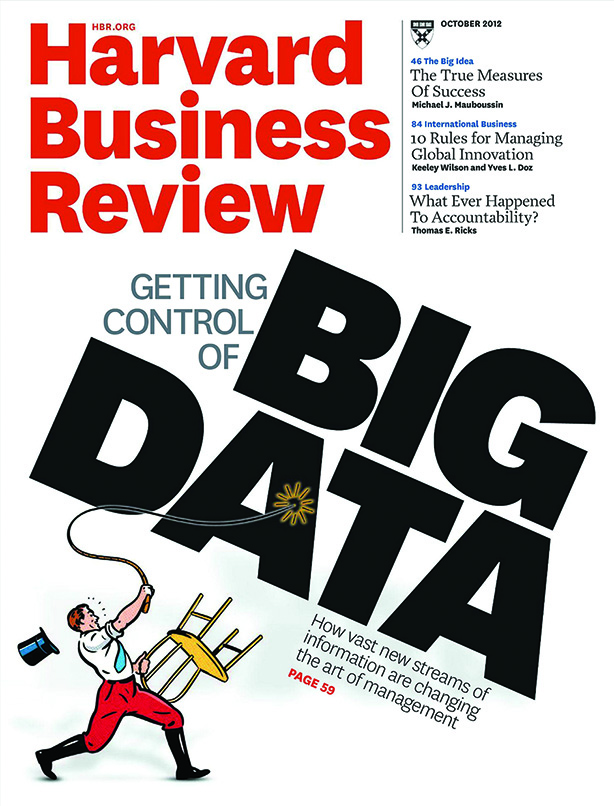
As print circulation, by itself, becomes harder to maintain, Harvard Business Review is relying on bundling tactics to drive up pricing and exposure.
As print circulation, by itself, becomes harder to maintain, Harvard Business Review is relying on bundling tactics to drive up pricing and exposure.
Harvard Business Review faced the same circulation losses the rest of the industry has dealt with over the last several years. Continued investments in digital solutions have started to positively impact its readership and revenue now though—even though its prices have gone up.
HBR has seen total circulation jump close to 10 percent in the last 18 months, up to 260,315, according to the Alliance for Audited Media. Both paid subscriptions and single-copy sales were up over 7 percent in the first half of 2013.
Josh Macht, group publisher, says HBR started on the path to those gains several years ago by building out its brand across all platforms. Social media was an obvious place to be, but they made specific efforts to adapt and extend traditional content to the Web.
“We found there’s really a growth strategy there,” he says. “When we have what we call a ‘spotlight’ in the magazine—a cover story—we not only tweet about that and [put it] on LinkedIn, but we might also do a webinar [or a dedicated section on the site] that will correspond with the magazine cover. What we’re trying to do across all platforms is raise the exposure of HBR.”
That emphasis on packaging print and digital content has extended to its circulation strategy. HBR doesn’t offer print-only subscriptions anymore. Even its most basic package comes with a form of digital access which is an explicit value add for consumers. As such, they can charge more.
HBR’s average annualized subscription rate dipped sharply in 2010, from $104.15 to $85.71, according to AAM, but has crept back up since, tracking along with its readership. Last year’s average price was $90.90. The reason for that recovery? Multiplatform bundles.
Driving up Pricing with Bundling
“Not unlike everybody, we saw print, on its own, was steadily declining in price,” Macht says. “The difference we found was that when we did the bundled offer, we could actually raise the price of the subscription. Now we’re seeing the pricing reverse.”
It’s a pricing model that most of the business magazine segment has followed over the last three years, but few have been able to post the commensurate gains in readership that HBR has. Of the seven other publications in its competitive set, only Forbes has raised both price and circulation.
HBR hasn’t been immune to the print advertising losses that have hit the consumer business publication segment hard though. The magazine suffered a 15.1 percent decline in ad pages in the first half of 2013, according to PIB, right in line with most of its competition.
Macht says the magazine has gradually been transitioning toward a mixed advertising model, maintaining a 50-50 balance between print and digital revenue. Digital efforts require more customization and options—like those webinars and dedicated sections of the site—but it’s working.
And while digital is the future, bundling can lead to revenue opportunities elsewhere. HBR also publishes books and has packed those with single issues of the magazine on newsstands—a recent effort Macht says has been “very successful.” 