Subscribe to Connections magazine
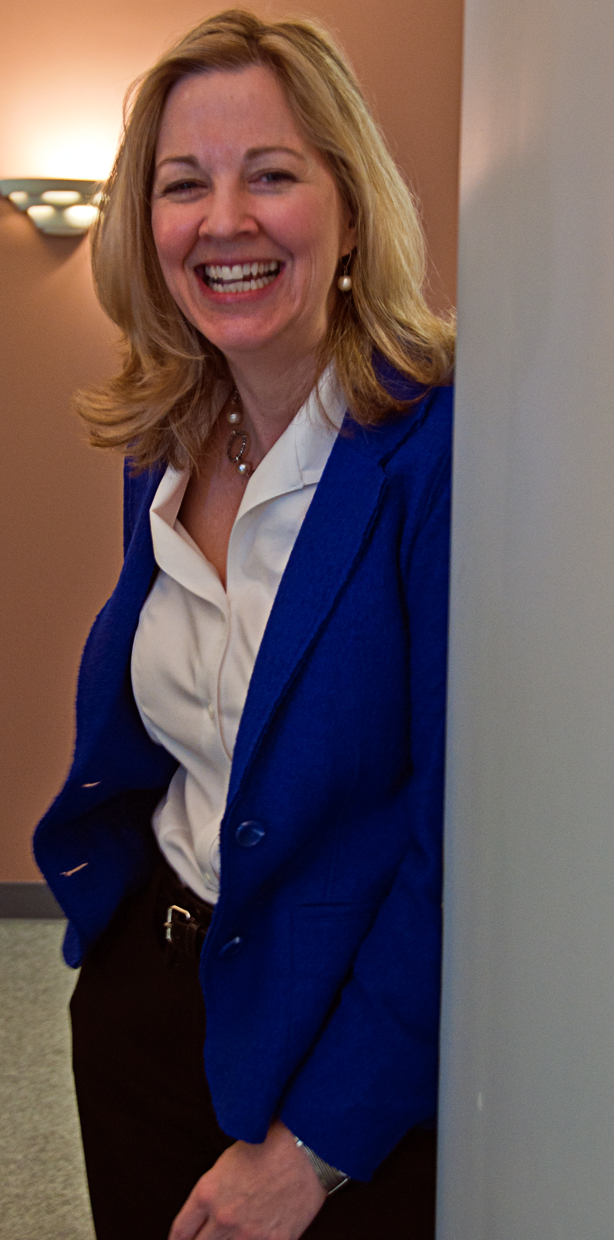
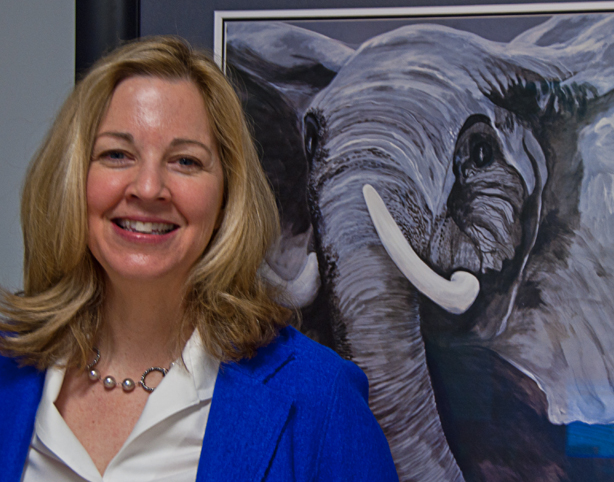
Seldom do we think about the magnitude that local businesses can impact. Yet Mary Renner, CEO of Laser Plus, learned with her two small businesses, her vision impacts people she may never meet. She does this not just by filling her customer’s local computer needs and educating them on new programs with her startup The Digital Workshop, but she also does so by staying true to her homegrown values. Her values include staying green, reusing as much material as possible and gifting her time, money and talents to the local community. Each week she and her crew vow to keep an elephant’s volume of waste out of landfills by refurbishing and repairing printers, toner cartridges, and computers at the 205 Granite Run Dr., #120, Lancaster office.
She hasn't met the people she impacts in regards to eliminating waste, but still she knows her work is important.
Like many local business people, she’s an unsung community hero—keeping the area green while circulating money back into the local area. She’s one of many local business owners that support local organizations and the local environment, which directly impacts life for the broader region.
First with The Digital Workshop, she provides education. This provides direct value for her local clients.
“It’s a state-of-the-art training center with two classrooms. One room can hold eight and the other can hold 12. We also go into local businesses to do training; we can do one-on-one training as well. It’s all hands on so that’s obviously a local audience. Having said that we’re working on training a bank in New Jersey. We used to do all of their training locally but they asked us to reach out into new territory for them,” said Renner.
And in this way, this homegrown idea is gaining traction on a broader marketplace.
But thinking local isn’t just about serving local customers.
“I struggle a bit when I think about what thinking local means. I realize that with technology we could argue that we are all working locally but we really do believe that what we can do within a 45-mile radius will feed our local community quite literally. The money comes back and it helps local services in the community, the police, our fire and our rescue. It improves the quality of life for all of us because the money is staying local,” said Renner.
In addition to circulating money back into the community Renner thinks locally by serving on several local boards such as The Lancaster Chamber of Commerce and Industry, the Think Local Committee, and the Membership Services Committee.
“For me this is interesting because Think Local really benefits the small businesses that are surviving on service,” said Renner. “That is the perspective that I bring to the Think Local concept as The Chamber was birthing it. I am your small business that is in direct competition with the big box stores and I fully believe that it’s all about service. That’s the only way we know to absolutely differentiate ourselves. We know our services can’t just be great, it needs to be extraordinary to compete and our prices have to line up with what the market will pay.”
She brings that perspective to the Think Local campaign. According to The Chamber’s website, Think Local is a Chamber led, community-wide initiative to improve the local economy by encouraging consumers and business decision-makers to support local businesses when making purchases.
The primary goal of Think Local is to stimulate and accelerate the local economy by encouraging business decision-makers and consumers to keep their dollars local, where they can make an impact.
It gives her companies a way to prosper where she’s planted and she does so sometimes by “giving money straight out because we’re lucky enough to have jobs so we can help the community non-profits.”
She also buys anything and everything locally when and where she can.
“Maybe it’s a coffee shop or grocery store but it’s still thinking and spending locally. We do support local vendors, too,” said Renner.
Although there is a solid case for buying locally, “I think you must be clear about your business’ financial tolerance level of it. Allow me to illustrate it like this: We would love to use 100 percent recycled paper for everything but it’s very expensive. So now as we’re growing a second business we’ve backed off buying that way for a time. As a workaround, we are darn sure we can use and reuse the paper we already have in the office. In this way sometimes the dollars must be weighed against sense.”
Along with her green vision, it became important to Renner and the rest of the company to sustain one another so they could help the community. They wanted to take each talent, interest and non-profit activity that they were already participating in and leverage them together to make a make a bigger difference to fewer yet more targeted areas in the community. For example, some employees play pool or others serve at their school and together they thought, ‘How can we do this together?’ Collectively the company decided to work together to join food drives. For the past five years they’ve partnered with the Leola Ambulance. Sometimes they come together for 5ks, other times they help with the council of churches but one thing stays the same: It’s all under the radar. Sure, they’re not receiving press for it but there’s still value. They’re building social capital by giving back to the community and they’re coming together as a team to think locally and make an impact.
And for Renner and the rest of the company, that’s what thinking local is all about: serving her customers local computer needs, buying locally when possible and building social capital while staying true to her homegrown values.
Get more from Renner


